
Safer wards, lower energy and fewer false alarms
A local AI watches building systems and clinical alarms around the clock, routes what matters to the right team in seconds and trims energy where it is clinically safe. Clinical and facilities staff stay in control the whole way.
100% local Works offline Explainable decisions Patient data stays in the building
ForestHub is a local decision layer for hospitals that runs on the operator's own Linux edge hardware, on top of the existing building management system, PLCs, nurse call and sensors. It coordinates energy, HVAC and safety at the same time, routes critical alarms in seconds and logs every action for audit, all without sending patient or building data to any cloud. It does not replace installed systems. It adds an intelligent layer that keeps working during internet or cloud outages.
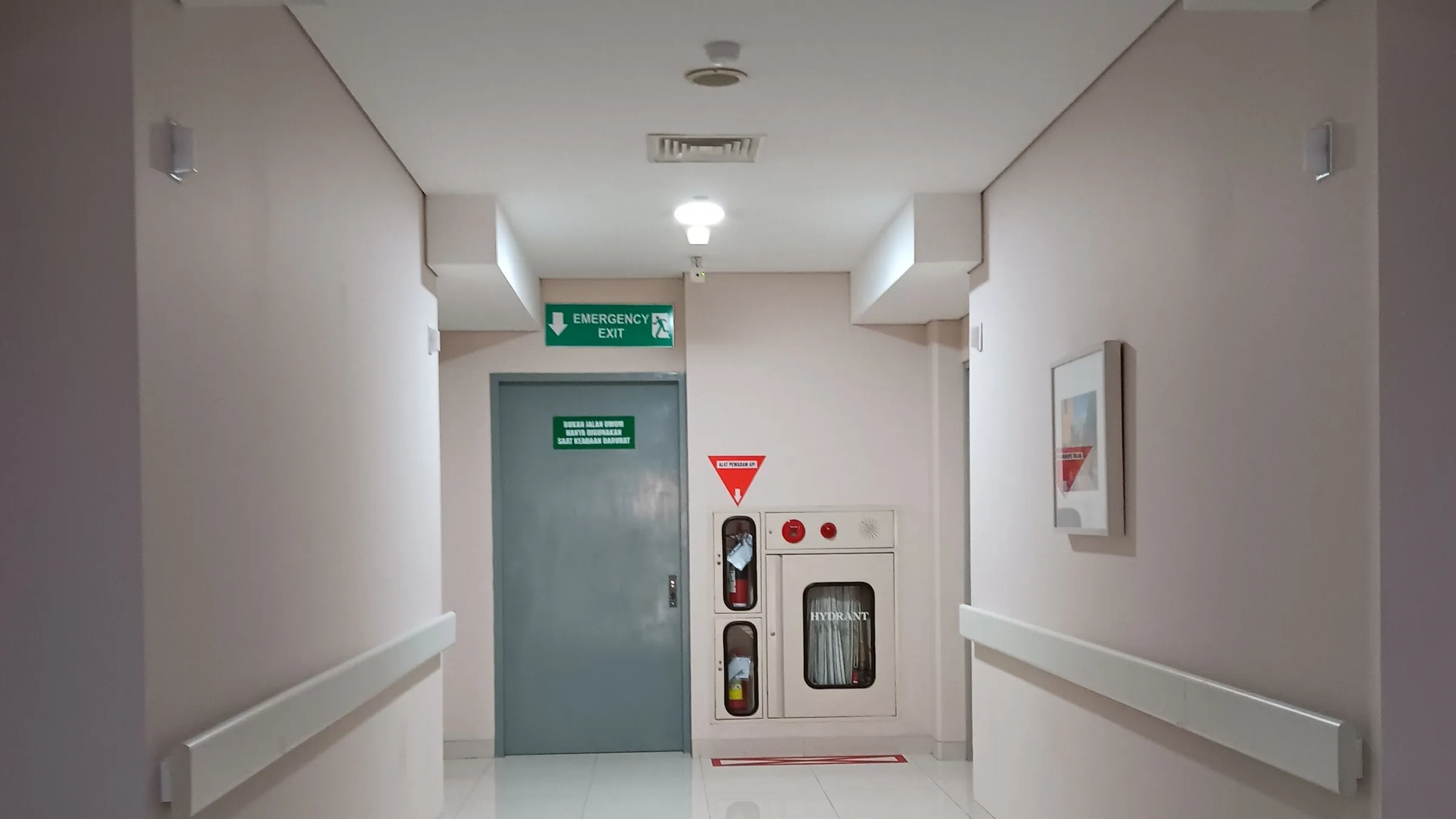
Clinical care and the building compete for attention
A hospital runs around the clock, and the HVAC for operating rooms, isolation and pharmacy is safety critical and cannot be switched off. Fixed schedules waste energy without protecting the clinical envelope, alarms from many systems pile up on the same staff, and each system runs in its own silo.
Energy that never sleeps
Hospitals run 24/7, and HVAC for operating rooms, isolation and pharmacy cannot be switched off, so fixed schedules waste power without protecting the clinical envelope.
Alarm fatigue
Nurse call, medical device and building alarms pile up on the same staff, and real emergencies can get lost in a flood of low priority signals.
Systems that do not talk
The building management system, nurse call, cold chain monitoring and security each run in a silo, so no layer sees the whole picture or the whole cost.
Observe, plan and act, on your own hardware
The agent reads building and clinical signals continuously, weighs safety against energy and comfort targets and drives the actuators and controllers that are already installed. It plans ahead, routes critical events first and explains every move in plain language.
- 1
Look ahead
A cold front is coming and the operating room block is booked solid tomorrow. The agent pre conditions the operating rooms overnight while power is cheap and holds pressure and humidity inside the clinical limits.
- 2
Balance every goal at once
It protects the clinical envelope first, then trims energy, smooths HVAC peaks and keeps the cold chain in range at the same time, not one target after another.
- 3
Explain and stay in control
Ask why a room was pre conditioned or an alarm was escalated and it answers in plain language. Every decision is logged and auditable, and clinical and facilities staff set the guardrails and can override any action.
Observes
On-Device Agent
Runs 100% locally on your hardware
Acts
Improve the KPIs the hospital is measured on
Hospitals do not buy a smart building. They buy safer patients, lower energy and less strain on staff. The agent optimizes the numbers that move those goals. The energy range below comes from an independent study for this technology category. Safety and response are reported qualitatively, never as an invented percentage.
One agent, energy and safety together
Energy that respects the clinical envelope
The agent trims HVAC, ventilation and lighting only where it is clinically safe, holds operating room, isolation and pharmacy limits and shifts flexible load to cheaper hours. Independent NREL work reports up to ~31% building and ~42% HVAC energy for this category, measured in a pilot, never promised.
Faster, calmer safety response
It fuses nurse call, medical device and building alarms, suppresses low priority noise and routes true emergencies to the right team in seconds, cutting alarm fatigue without hiding anything.
Operations that relieve staff
It watches cold chain fridges, air pressure and asset health, opens work orders before a failure becomes a loss and takes routine monitoring off already stretched teams.

Audit trail and agent registry
Every decision, alarm and override is logged in a full audit trail, and an agent registry shows exactly which sub agents run where, which matters for accreditation and regulators.
Vision and industrial bus
On device cameras with computer vision spot falls, wandering or blocked fire doors while images stay in the building, and it speaks Modbus and OPC-UA to the building management system and controllers already installed.
Fleet and OTA across sites
One ward or one site runs cooler and calmer than another. The fleet view finds that strategy and rolls it out across every building with secure over the air updates from one place.
Walk it on your own floor plan
Book a live demo, then start a pilot on one wing to measure the real numbers on your building and your alarms.
See it on a hospital floor plan
Book a live demo and walk through energy, safety and cold chain on a realistic layout, then start a pilot on one wing to measure the real numbers on your building.
Book a live demoPatient and building data never leave the hospital
The agent runs entirely on the hospital's own hardware. No cloud, no data leaving the building, and it keeps protecting the clinical envelope even when the internet or a cloud service drops. Every action is logged and auditable, which matters when the hospital answers to patients, accreditors and regulators.
- 100% local, no cloud dependency
- Keeps running through internet and cloud outages
- Works with the existing BMS, PLC and nurse call
- Full audit trail of every decision and alarm
- Explainable, not a black box
- Local execution and signed images, CRA hardening on the roadmap
Questions hospital teams ask
Do we have to replace our building management system?
No. The agent adds a decision layer on top of the existing BMS, PLCs, nurse call and sensors. It coordinates what is already installed toward energy, safety and operations goals, and full manual control stays with clinical and facilities staff.
Does patient data go to the cloud?
No. Everything runs locally on your own hardware, so patient, alarm and building data never leave the hospital, and the agent keeps working during internet or cloud outages.
How much energy can we actually save?
Independent NREL work for this category reports up to ~31% whole building and up to ~42% HVAC energy from smart automation. We do not promise a fixed number. The real figure gets measured on your building and baseline in a pilot.
Will it reduce alarm fatigue?
It fuses nurse call, device and building alarms, suppresses low priority noise and routes true emergencies to the right team in seconds. We report this qualitatively, from minutes to seconds and fewer false alarms, and never claim an invented percentage.
How does it explain its decisions?
Ask why a room was pre conditioned or an alarm was escalated and it answers in plain language, backed by a full audit log. Staff set the guardrails and can override any action at any time.
Does it work across several buildings or campuses?
Yes. A fleet view compares wards, buildings and sites, finds the safest and most efficient strategy and rolls it out everywhere with secure over the air updates from one place.
Built by a German engineering team, grown out of applied research at the Hahn-Schickard Institute in Villingen-Schwenningen. The edge agent runtime is open source under AGPL-3.0.
Put a local operations layer in every hospital
Start a pilot on one wing, measure the real energy and response numbers on your building, and keep clinical and facilities staff in control the whole way.
Explore more
How a local decision layer runs energy, safety and operations across a whole building.
Building safetyFuse alarms and detect risks on device, with faster response and fewer false alarms.
Elder careLocal fall and wandering detection that protects dignity and keeps data in the building.
Sources and notes
- 1Energy: NREL analysis, reported via 75F, up to ~31% whole building energy and up to ~42% HVAC energy from smart automation. Results depend on the building and baseline and get validated in a pilot, not promised.
- 2Safety and response: reported qualitatively as faster routing from alarm to action and fewer false alarms. No independent percentage is claimed. The real effect gets measured on your alarms and workflows in a pilot.