
Safe at home for longer, with real peace of mind
A local agent quietly learns the daily routine at home and notices when something is really wrong, a fall, a call for help, a stove left on. It tells the right person early, and the family stays in control the whole way.
100% local No cameras to the cloud Works offline Dignity by design
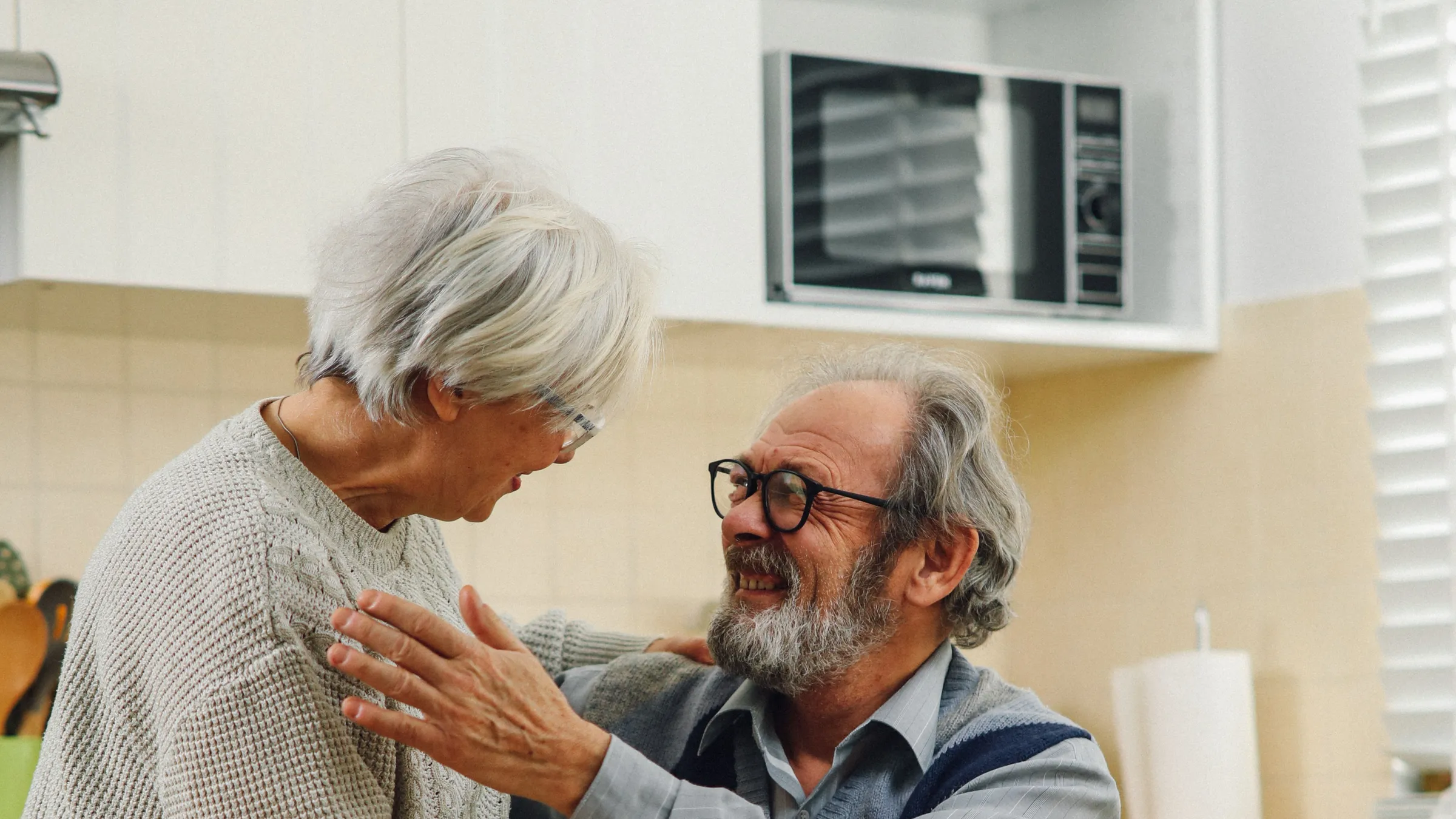 On-Device AgentRuns 100% locally in the homeCameras and microphones, understood locally
Elder Care AI is a local system that helps older people live safely at home for longer and gives relatives peace of mind. It learns the normal daily routine, notices an emergency early, a fall, a call for help, a long period without movement or a stove left on, and tells a relative or carer when it matters. Everything runs on device in the home, so daily life is never streamed to a cloud and it keeps working even when the internet drops.
Growing older at home should not mean worrying alone
Most older people want to stay in their own home. Their families worry about the moment nobody is there, a fall in the night, a missed meal, a stove left on. The usual answers are a camera in every room or a call button that only helps after something has already gone wrong. Neither feels right, and neither respects a person's privacy.
- 01
The fall nobody sees
A fall or a sudden illness can go unnoticed for hours when a person lives alone, and every hour matters.
- 02
Cameras feel like surveillance
A live camera streaming a parent's private life to a cloud service trades dignity for safety, and most families do not want that.
- 03
Carers cannot be everywhere
Relatives and care staff cannot watch around the clock, and a daily phone call still misses the quiet changes that signal a problem.
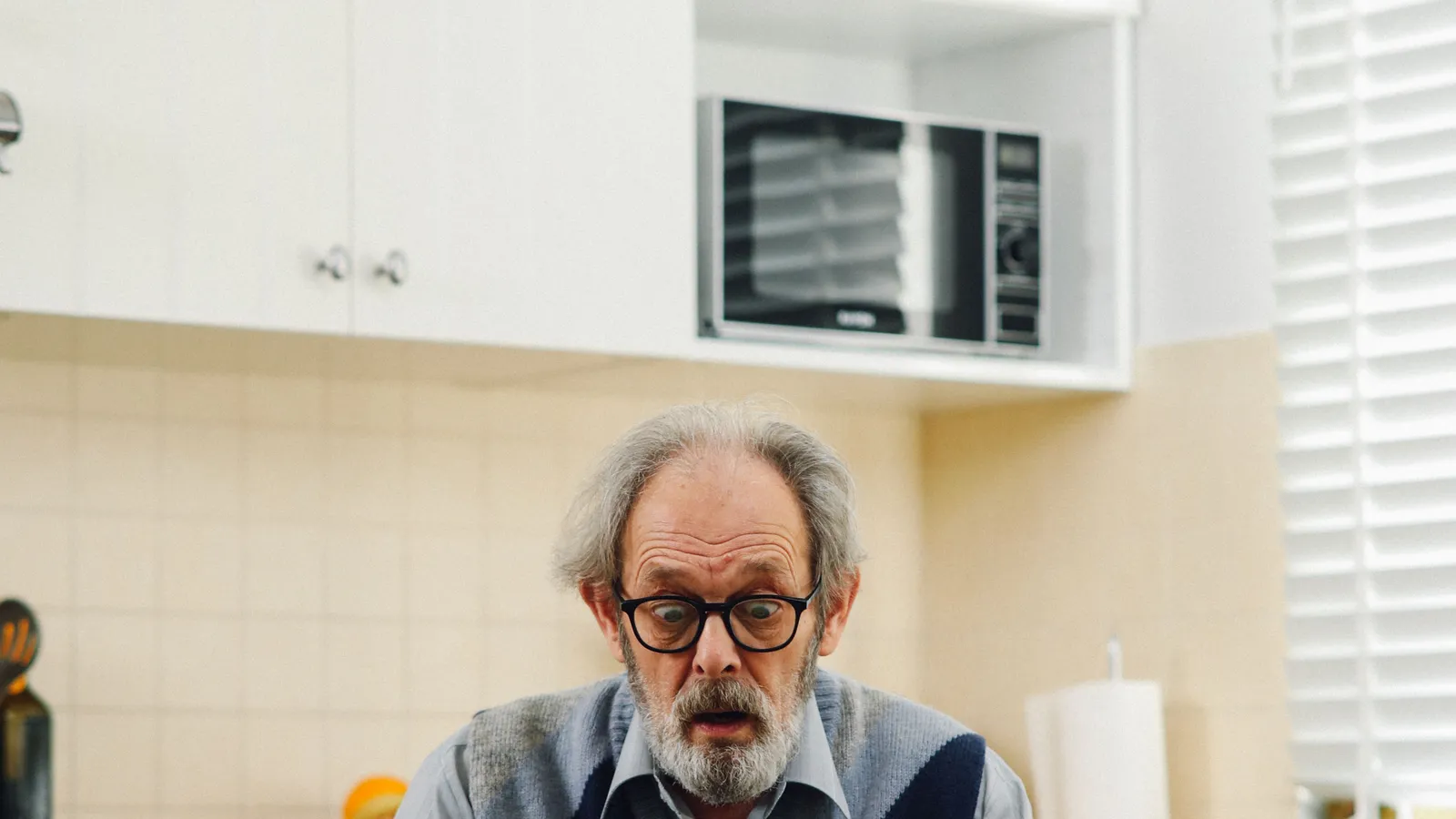
Learns the routine, notices what matters, tells the right person
The system learns what a normal day looks like at home. It reads simple sensors, understands the home locally and quietly watches for the things that really matter. When something is wrong it alerts a relative or carer, and the family sets the rules and stays in control.
- 1
Learn the normal day
Over the first weeks the system learns when the day usually starts, when meals happen, when the house goes quiet at night. That routine becomes the baseline, and nothing needs to be programmed by hand.
- 2
Notice what really matters
A fall, a call for help, a stove left on, a long stretch with no movement or an unusual night out of bed. The system spots the meaningful change early, and ignores the harmless everyday noise.
- 3
Alert the right person, keep dignity
It tells a relative or carer when it matters, escalates to an emergency call if needed, and keeps a private log at home. The family sets the rules, and daily life is never watched from a cloud.
Notices
On-Device Agent
Runs 100% locally in the home
Acts
Safety at home, without the surveillance
Families do not want a live feed of a parent's living room. They want to know that the right person will be told the moment something is really wrong, and that daily life stays private the rest of the time. Every result depends on the home and the person, and gets validated in a pilot.
Earlier
notices an emergency sooner
- On devicedaily life is never streamed to a cloud
- Peace of mindrelatives are told when it matters
- Dignitysupport without a camera in every room
One helper, the whole home
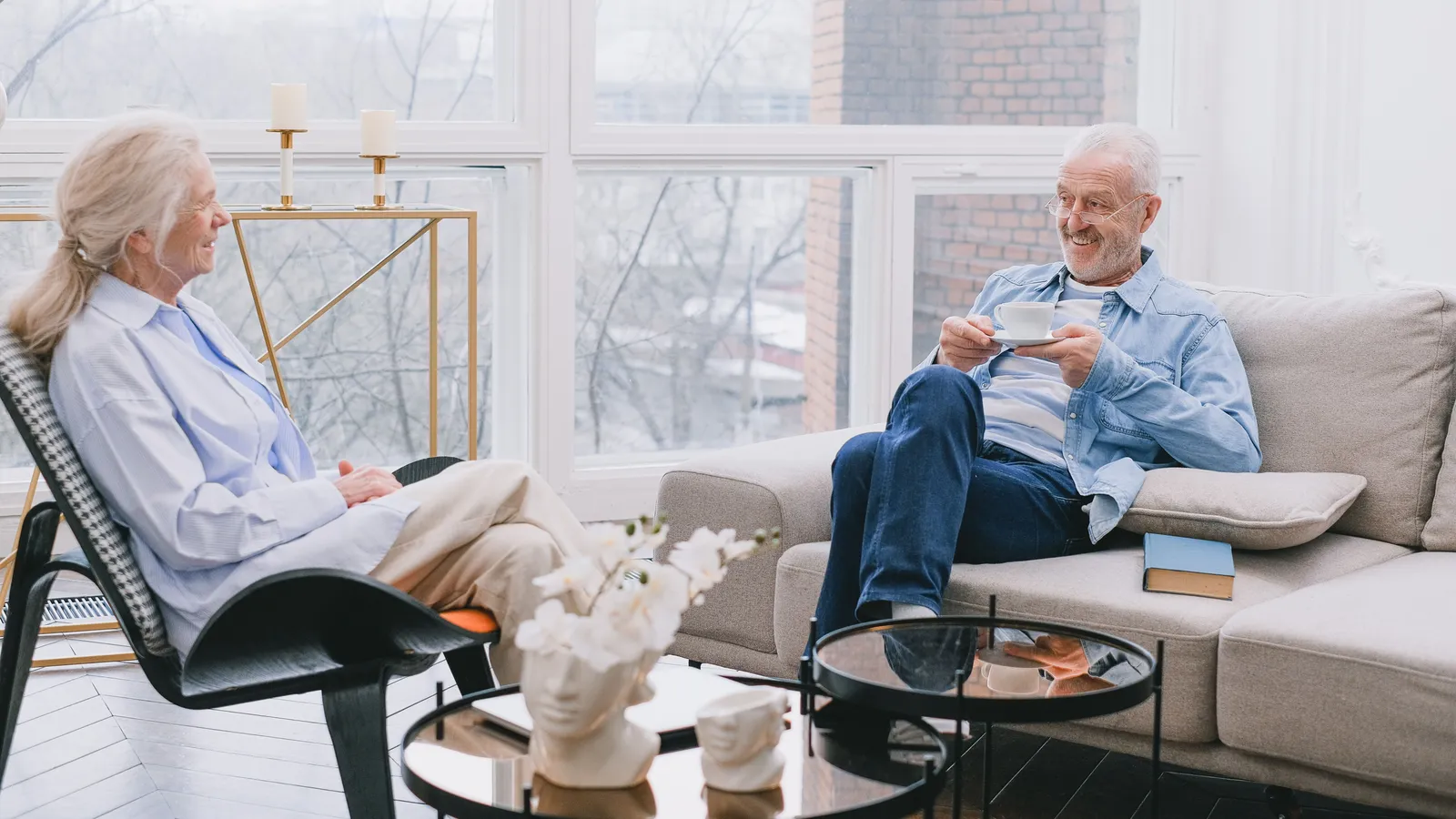
One quiet helper instead of many cameras
Instead of a camera in every room, one local system understands the whole home at once, the routine, the risks and the moments that need a person. It acts with dignity rather than alarm.
Notices an emergency early
A fall, a call for help or a long stretch with no movement. The system spots the emergency and alerts the right person in seconds, not hours later.
Learns the daily routine
It learns when the day usually starts, when meals happen and when the house goes quiet, then flags the meaningful changes that a weekly phone call would miss.
Understands the home locally
On device cameras and microphones are understood inside the home, to tell a fall from a sit down or a cry for help from the television, and the video and audio never leave.
Watches for the stove and the night
A stove left on, a front door open at 3am, an unusual night out of bed. The system catches the everyday risks that turn into emergencies.
Keeps the family in control
Relatives choose who gets told, what counts as urgent and what stays private, and can see a plain, private log of what happened and why.
Watch the system notice what matters
In a short demo, see how a local agent learns a normal day, spots an emergency early and tells the right person, all without a camera feed leaving the home.
See it for yourself
Book a short live demo and watch how the system learns a routine, notices a fall or a stove left on, and alerts the right person, with everything staying on device in the home.
See a demoYour parent's life stays in your parent's home
Everything runs on a small device in the home. The cameras and microphones are understood locally, so no video or audio ever leaves the house. Only a short alert goes out when something matters, and the system keeps working even when the internet drops.
- 100% local, no cloud
- No video or audio ever leaves the home
- Only a short alert leaves, never a live feed
- Dignity by design, no cloud service watching
- Keeps working when the internet drops
- Local execution and signed images, CRA hardening on the roadmap
Questions families ask
Is there a camera watching my parent all day?
No. Cameras and microphones are understood locally on a device in the home, only to tell a fall from normal movement or a call for help from background noise. No video or audio ever leaves the house, and no person watches a live feed.
What happens when it detects a fall?
It alerts the relative or carer you choose in seconds, and escalates to an emergency call if no one responds. You decide who gets told and what counts as urgent.
Does it work if the internet goes down?
Yes. Everything runs locally in the home, so it keeps learning the routine and watching for emergencies during an outage. Alerts go out again the moment the connection returns.
Will my parent feel watched or controlled?
No. The system stays quiet on a normal day and only acts when something matters. It sends gentle reminders rather than orders, and it is built to support independence, not to take it away.
Do we need to replace anything in the home?
No. It works with simple sensors and the devices already in the home, and adds a local layer on top. There is nothing for your parent to learn or operate.
Who can see the information it collects?
Only the people you choose. The private log stays on the device in the home, and relatives or carers see just the alerts and summaries you allow, nothing more.
Built by a German engineering team, grown out of applied research at the Hahn-Schickard Institute in Villingen-Schwenningen. The edge agent runtime is open source under AGPL-3.0.
Give your family peace of mind, without a camera
See a live demo, then start in one home and watch how it learns the routine, notices what matters and keeps everyone in control.
Sources and notes
- 1These are qualities of the system, not promised numbers. What it means for a specific home depends on the layout, the sensors and the person, and gets validated in a pilot, not promised.