
Lower bills, a safer home and care for the people in it
A local AI knows the rooms, sensors, devices and energy sources of the home and works toward one goal, to use as little energy as possible, keep the home safe and care for the people in it. It decides on its own and the household stays in control the whole way.
100% local Works offline No data leaves home You stay in control
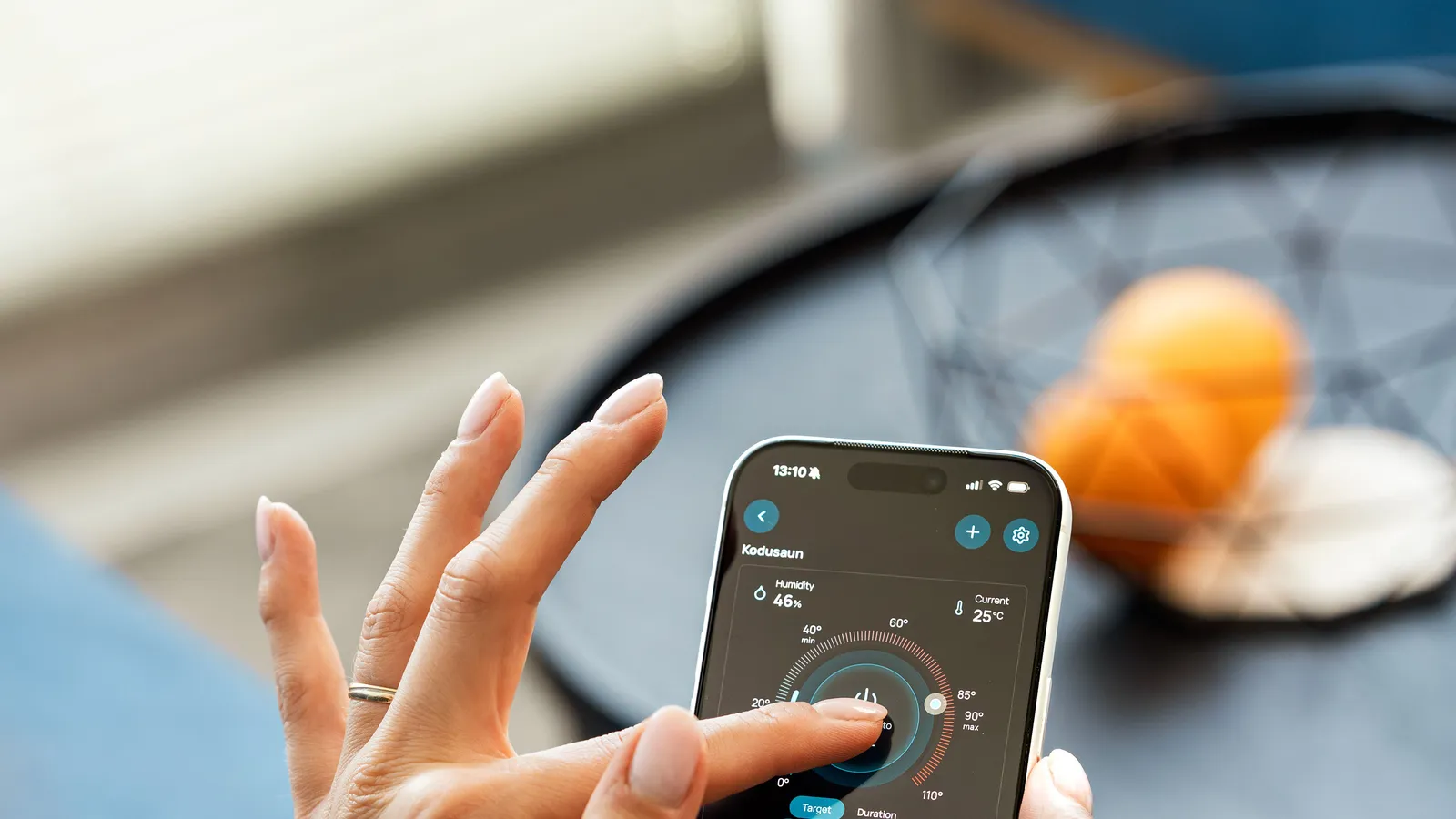
ForestHub Smart Home is the first fully local AI for the whole home. Instead of automating single devices with simple triggers, it pursues real goals, to use as little energy as possible, keep the home safe and care for the people in it. It knows the residents, rooms, sensors, devices and energy sources, decides on its own and runs 100% on local hardware, so no images or audio ever leave the home and the household stays in control.
Your smart home automates devices, it has no goal
Most smart home products just automate single devices. If motion then light on. If time then thermostat down. Each rule handles one gadget, and nobody owns the goal for the home as a whole, to save energy, stay safe and look after the people in it.
Triggers, not goals
A rule fires when one condition is met. It never asks what the home should achieve, so light, heat, solar and safety are each handled alone and never balanced against each other.
Devices on separate islands
The thermostat, the solar inverter, the car charger and the cameras each live in their own app. Nobody weighs them together, so energy is wasted and warning signs slip through the gaps.
It reacts, it never plans
Rules act after something happens. A fixed routine cannot see that rain is coming, that the car must be full tomorrow or that a resident has not moved since morning.
One goal, the whole home, on your own hardware
The agent reads every sensor continuously, weighs energy, safety and comfort against the household's goals and drives the devices that are already installed. It plans ahead instead of only reacting, and it explains every move in plain language.
- 1
Look ahead
Rain is coming today, so the solar yield will be low. The car must be full tomorrow and the battery alone will not be enough, so the home charges cheap grid power now. That is planning, not reacting.
- 2
Balance energy, safety and comfort
It lowers the energy bill, keeps the home safe and sets the right scene at the same time, not one goal after another. When they pull against each other it weighs them against the household's priorities.
- 3
Explain and stay in control
Ask why it charged from the grid and it answers in plain language. Every action is logged and auditable, and the household sets the guardrails and can override anything.
Observes
On-Device Agent
Runs 100% locally in your home
Acts
Lower bills and a home that watches over its people
A smart thermostat alone already saves energy. A home that also learns the daily rhythm, the solar yield and the weather can do more, and it does it without losing comfort. The ranges below come from independent field data for this category. Safety does not reduce to a single percentage, so we describe it plainly.
One agent, the whole home
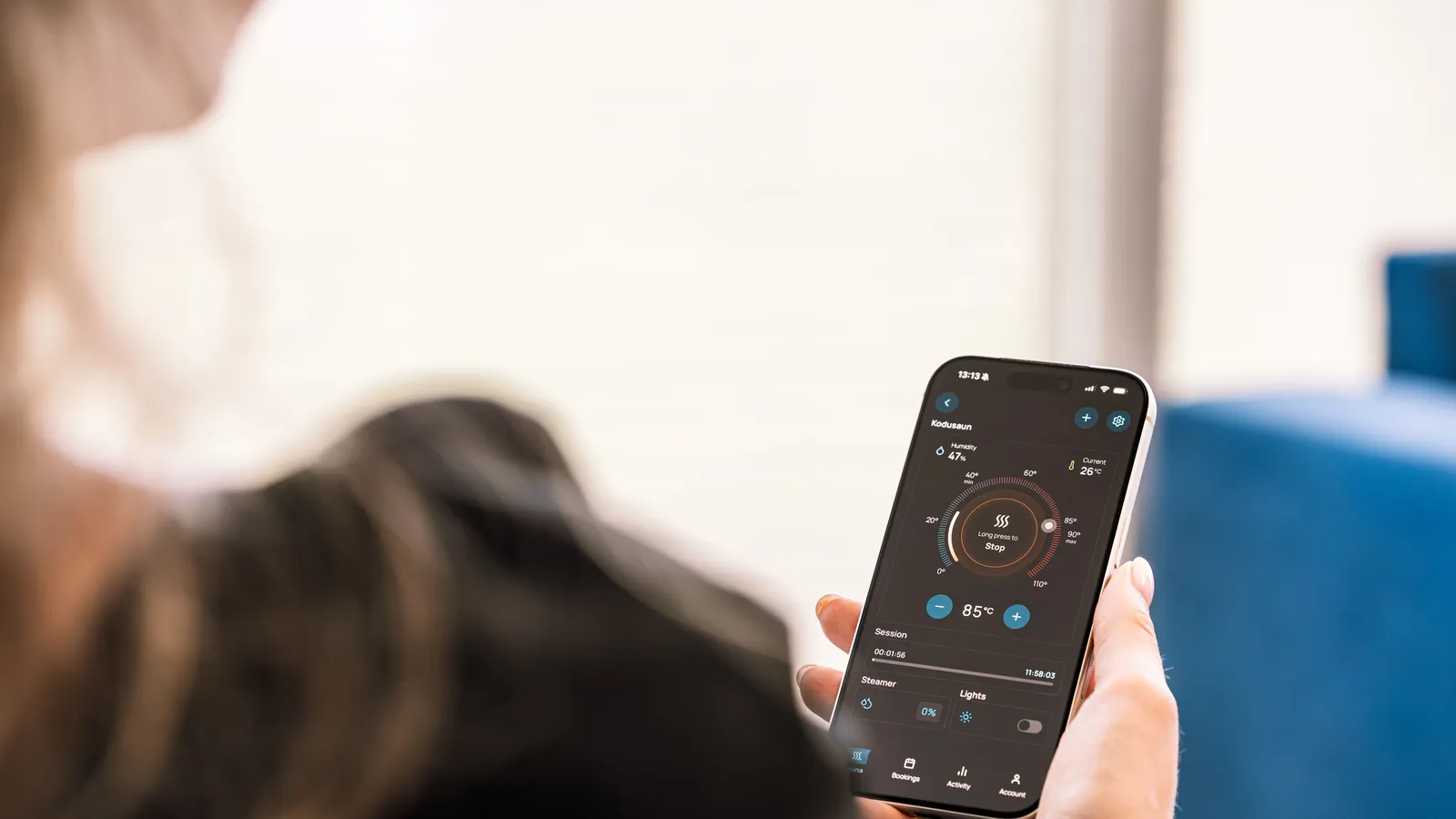
Every device is its own agent
The camera, microphone, heating, solar, battery, car, window, robot and light each run as their own agent and share only what a task needs. Ask has anyone seen the phone and every camera searches locally, only the one that found it answers, and no central pile of images ever exists. That makes the home 100% local, private, scalable and robust.
Energy that plans ahead
It learns wake, sleep, commute and guest times, room use, solar yield and the weather, then starts heating earlier, makes hot water before the solar peak, charges the battery and car at the best time and shifts appliances, blinds and venting to cut cost without losing comfort.
Safety that reads the situation
It detects a fall, long immobility, a call for help or smoke and combines door, window, camera, microphone, motion and light with the time of day. A window opens at 02:37, nobody is home and glass breaks, so it alerts and can call the police. It acts up to an emergency call or notifying relatives.

Comfort that thinks along
The home sets the scene for guests, a movie night, cooking, sleep or the home office without anyone touching a panel. In a building or OEM setting this same pillar is called Operations.
Vision and audio, on device
Cameras and microphones catch a fall, a stove left on or a child awake at night and act in the moment. Every frame and every sound is processed on your own hardware and never leaves the home, so privacy is the default, not an afterthought.
Built to embed
OEMs, operators and integrators can build this local intelligence into their own devices and buildings. The same agent that cares for a home scales to the whole building and the product line.
What could the ranges mean for your home
Enter an annual home energy bill and see the saving range independent field data reports for this category. The real figure gets measured in a pilot on the home, never guessed.
Typical benchmark range
8-15%
Estimated annual saving
€200 - €375/ year
Range based on EPA ENERGY STAR field data for certified smart thermostats and independent evaluations behind the Nest white paper, for residential heating and cooling. Results depend on the home and get validated in a pilot, not promised.
Nothing about your home leaves the house
The agent runs entirely on your own hardware. No cloud, no images or audio leaving the home, and it keeps working even when the internet drops. Every safety event is logged and auditable, so the household can always see what happened and why.
- 100% local, no cloud
- No images or audio ever leave the home
- Keeps working through internet outages
- Every device is its own agent, sharing only what is needed
- Full audit log of every safety event
- Local execution and signed images, CRA hardening on the roadmap
Questions households ask
Is this just another set of automations?
No. Automations react to a single trigger, like if motion then light on. This agent owns a goal instead, to use as little energy as possible, keep the home safe and care for the people in it, and it plans ahead across every device to reach it.
Do my cameras and microphones send anything to the cloud?
No. Every frame and every sound is processed on your own hardware and never leaves the home. It keeps working during internet outages, and privacy is the default, not an add on.
How much can we save on energy?
EPA ENERGY STAR field data reports certified smart thermostats save about 8% on heating and cooling, and independent evaluations found about 10 to 12% on heating and 15% on cooling. We do not promise a fixed number. The real figure gets measured in a pilot on the home.
What does it do in an emergency?
It reads the whole situation from door, window, camera, microphone, motion and light plus the time of day, so a fall, smoke or a night intrusion is understood, not guessed. It can act up to an emergency call or notifying relatives, and the household decides who gets called.
Do we have to replace our existing devices?
No. Each device you already own becomes an agent in the system, and the home stays vendor independent. Nothing is ripped out and the household keeps full control.
Can a builder or OEM embed this?
Yes. OEMs, operators and integrators can build the same local intelligence into their own devices and buildings, so the agent that runs one home scales to the whole building and the product line.
Built by a German engineering team, grown out of applied research at the Hahn-Schickard Institute in Villingen-Schwenningen. The edge agent runtime is open source under AGPL-3.0.
A home that looks after itself, while the people in it stay in control
See a live demo, then run it on a real home and measure the numbers on the energy bill, with the household in control the whole way.
Explore more
Sources and notes
- 1Energy: EPA ENERGY STAR field data reports certified smart thermostats save on average about 8% of heating and cooling energy, roughly 50 dollars a year. Independent evaluations behind the Nest white paper, including Energy Trust of Oregon and Indiana studies, found about 10 to 12% on heating and about 15% on cooling. Residential figures depend on the home and get validated in a pilot, not promised.
- 2Safety: there is no clean independent percentage for fall detection or intrusion response, so we do not invent one. The gain is a faster, calmer response and fewer false alarms, because the home reads a whole situation instead of a single sensor.