
Lower your energy bill not your comfort
A local AI learns the household routine, the solar yield and the weather, then shifts heating, hot water, the battery, car charging and big appliances to the cheapest and greenest hours. Comfort stays, and so does control.
100% local Works offline Comfort stays first Keeps your existing gear
Home energy management is a local decision layer that sits on top of the thermostats, solar inverter and wallbox a home already has. A local AI learns the household routine, the solar yield and the weather, then shifts heating, hot water, the battery, car charging and big appliances to the cheapest and greenest hours without giving up comfort. It runs entirely on the home's own hardware with no cloud and keeps working when the internet drops.
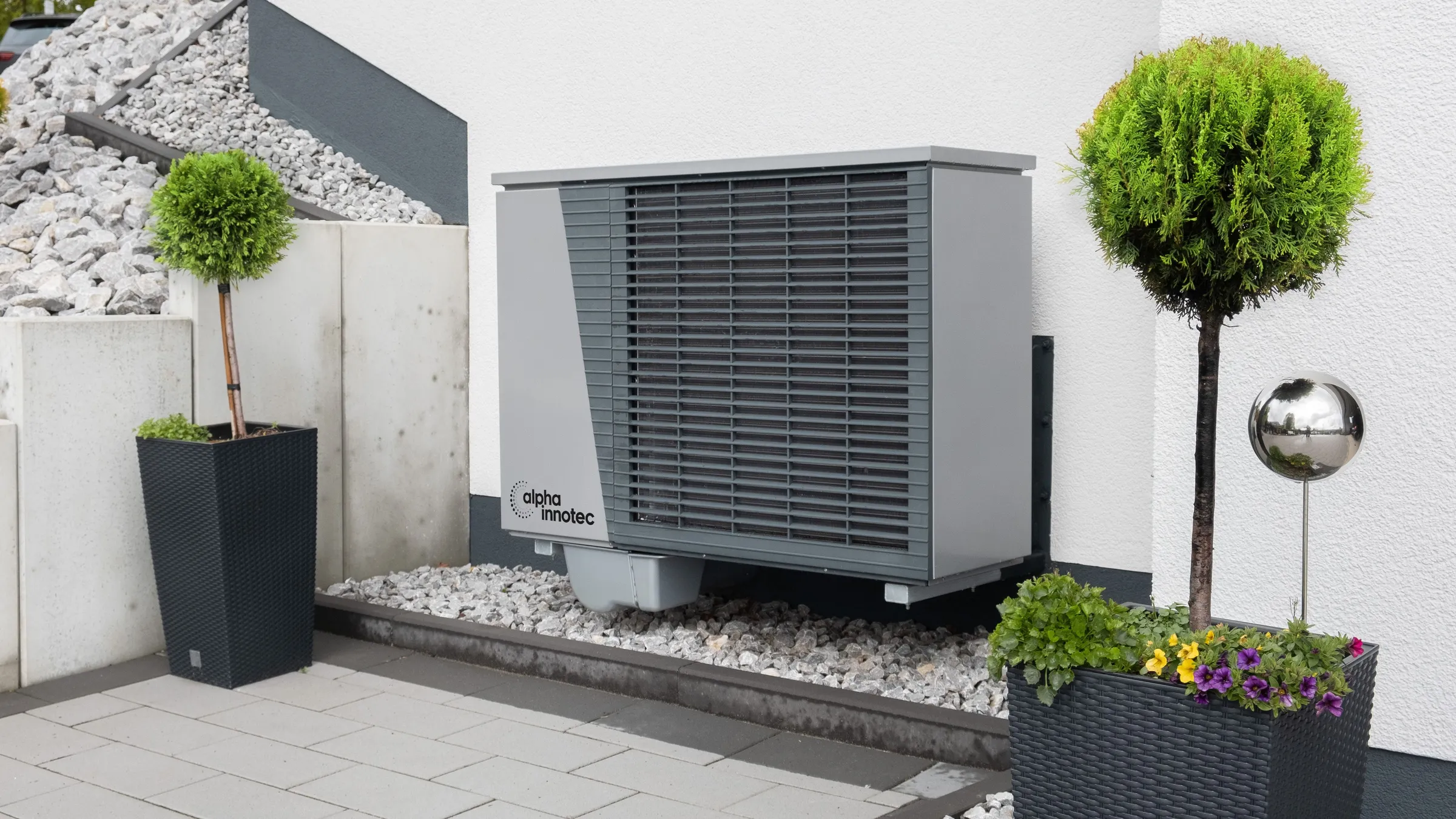
The bill keeps climbing
A home runs a dozen things that use power, and they rarely work together. The heating follows a fixed schedule, the solar sells cheap at noon, the car charges the moment it plugs in, and the battery empties at the wrong time. Every device does its own thing, and nobody plans the day around price, sun and your routine.
Prices you cannot predict
Tariffs and day-ahead prices swing through the day, but a fixed timer heats and charges at the same hour no matter the cost.
Solar sold for pennies
Solar peaks at midday when nobody is home, so much of it flows to the grid for little while the evening runs on expensive power.
Saving means fiddling
Chasing the cheapest hours by hand means checking prices, apps and the weather every day, and comfort usually loses.
Observe, plan and act, on your own hardware
The agent reads the sensors continuously, weighs comfort against price and solar, and controls the heating, hot water, battery, car and appliances that are already installed. It plans the day ahead instead of only reacting, and it explains every move in plain language.
- 1
Learn the routine
It learns when the home wakes, sleeps, leaves for the commute and hosts guests, so it can plan around real life instead of a rigid timer.
- 2
Plan energy against price, solar and comfort
Rain is coming, so tomorrow's solar will be low. The car must be full in the morning and the battery alone will not cover it, so the agent charges cheap grid power tonight and keeps the house warm for the morning.
- 3
Explain and stay in control
Ask why it charged at 2am and it answers in plain language. Every decision is logged, and the household sets the comfort limits and can override any action.
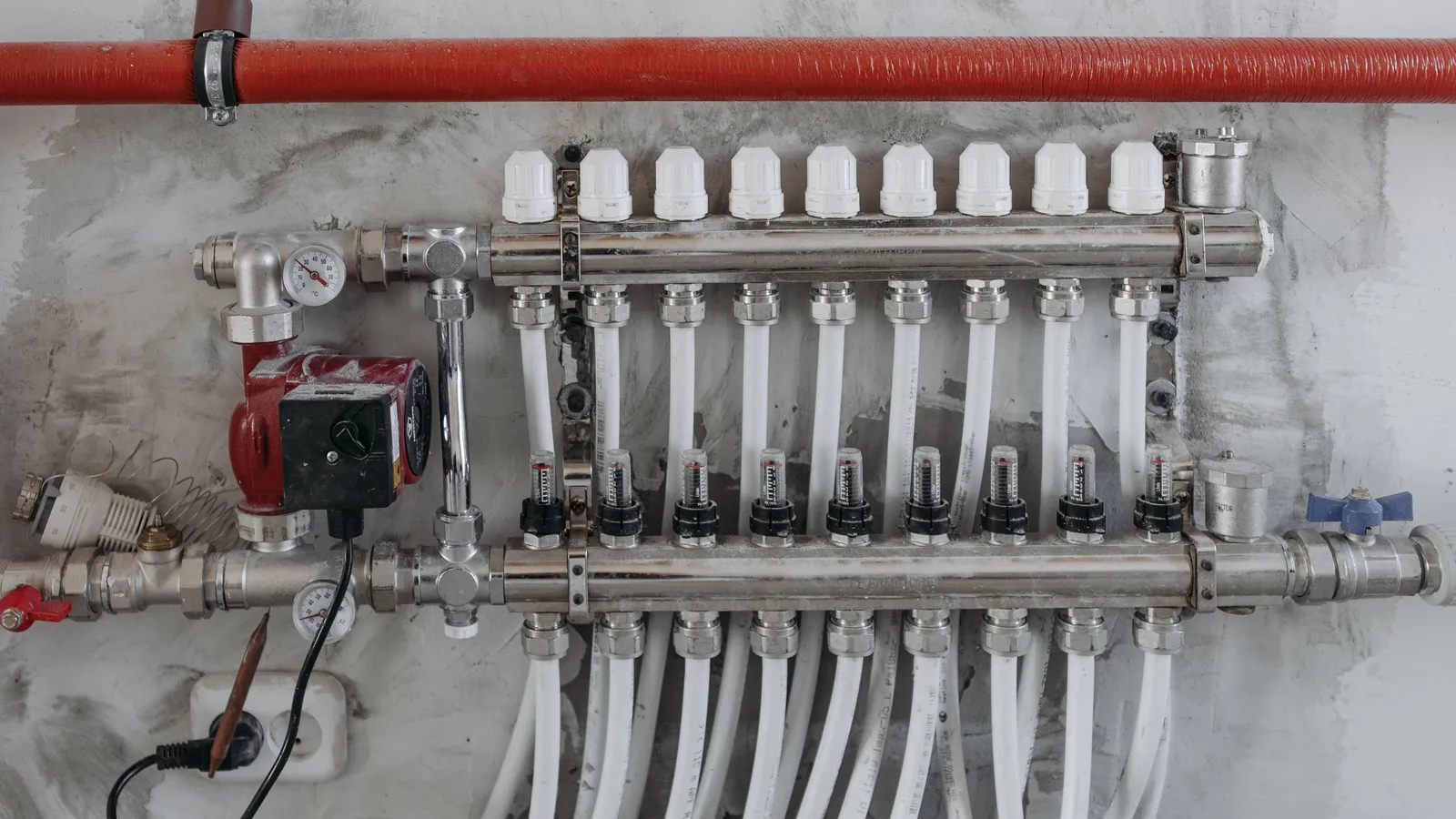 On-Device AgentIndoor climate and comfort
Lower bills without losing comfort
A home does not want the coldest rooms. It wants a lower bill at the comfort it already likes. The ranges below come from public field data and independent evaluations for this technology.
One agent, the whole home

One plan for the whole home
It looks at heating, hot water, the home battery, the car and the big appliances together, then builds one plan that fits the day ahead, the solar forecast and the price. Not five devices each doing their own thing.
Learns your household
It picks up when the home wakes, sleeps, leaves for work and hosts guests, and adapts the plan to real life instead of a fixed timer.
Makes the most of your solar
It heats water and charges the battery and car during the solar peak and stores the rest, so less power flows to the grid for pennies.
Charges at the cheapest, greenest hours
The car and battery fill up on cheap night power or a sunny afternoon, and the agent looks a day ahead so the car is ready when it is needed.
Comfort comes first
The household sets the comfort it wants and the agent saves around it, so the savings never arrive as a cold morning or a cold shower.
Explains every move
Ask why it charged at 2am or pre heated the house and it answers in plain language, backed by a full log of what it did and why.
What could the ranges mean at home
Enter a yearly home energy bill and see the saving range that public field data and independent evaluations report for this technology. The real figure gets measured in a pilot, never guessed.
Typical benchmark range
8-15%
Estimated annual saving
€200 - €375/ year
Range based on EPA ENERGY STAR field data (about 8% on heating and cooling) and independent evaluations (about 10 to 12% on heating). Residential, and validated in a pilot, not promised.
Your data never leaves the home
The agent runs entirely on your own hardware at home. No cloud, no usage data leaving the house, and it keeps optimizing when the internet drops. Every action is logged in plain language, so it is always clear what it did and why.
- 100% local, no cloud dependency
- No usage data leaves the home
- Keeps optimizing through internet outages
- Works with your existing thermostats, inverter and wallbox
- Full log of what it did and why
- Local execution and signed images, CRA hardening on the roadmap
Questions homeowners ask
Do I have to replace my thermostat or inverter?
No. The agent adds a decision layer on top of the thermostats, the solar inverter and the wallbox you already own. It coordinates them toward a lower bill, and full manual control stays at home.
Does it work without the internet?
Yes. Everything runs locally on your own hardware, so the agent keeps optimizing during outages and no usage data ever leaves the home.
How much can I actually save?
EPA ENERGY STAR field data reports about 8% on heating and cooling for smart thermostats, and independent evaluations found about 10 to 12% on heating. We do not promise a fixed number. The real figure gets measured in a pilot on your home.
Will it make my home uncomfortable?
No. Comfort comes first. The household sets the temperature and the times that matter, and the agent saves around them, never with a cold morning or a cold shower.
Do I need solar or a battery?
No. The agent works with whatever is installed, even just a smart thermostat. The more it can control, like solar, a battery or a wallbox, the more it can shift to cheap and green hours.
What happens to my data?
It stays in the house. The agent runs on local hardware, no usage data leaves the home, and every decision is logged in plain language so it is always clear what it did and why.
Built by a German engineering team, grown out of applied research at the Hahn-Schickard Institute in Villingen-Schwenningen. The edge agent runtime is open source under AGPL-3.0.
Put an energy planner in every home
Start with a demo on your own setup, see the plan on your tariff, your solar and your routine, and stay in control the whole way.
Sources and notes
- 1ENERGY STAR: EPA field data for certified smart thermostats reports about 8% savings on heating and cooling energy, roughly 50 dollars a year for a typical home. Results depend on the home and get validated in a pilot.
- 2Heating and cooling: independent evaluations (Energy Trust of Oregon and an Indiana study, via the Nest white paper) found about 10 to 12% on heating and about 15% on cooling. Residential, and validated in a pilot, not promised.