
Catch the incident before it becomes an emergency
A local AI reads fire, gas, access, camera and motion signals as one picture, tells a real incident from a false alarm and escalates to the right people in seconds. Every event is logged and auditable, and the team stays in control.
100% local Works offline Full audit trail Explainable decisions
 On-Device AgentRuns 100% locally on your hardwareFire and smoke
Building safety AI is a local decision layer that reads fire, gas, access, camera, motion and environmental signals together instead of one alarm at a time. It judges a real incident against a false alarm, escalates to the right people in seconds and keeps a full timestamped audit trail. It runs entirely on your own on-site hardware with no cloud, and it does not replace the fire panel, access control or cameras you already have.
Every system alarms alone, nobody sees the whole picture
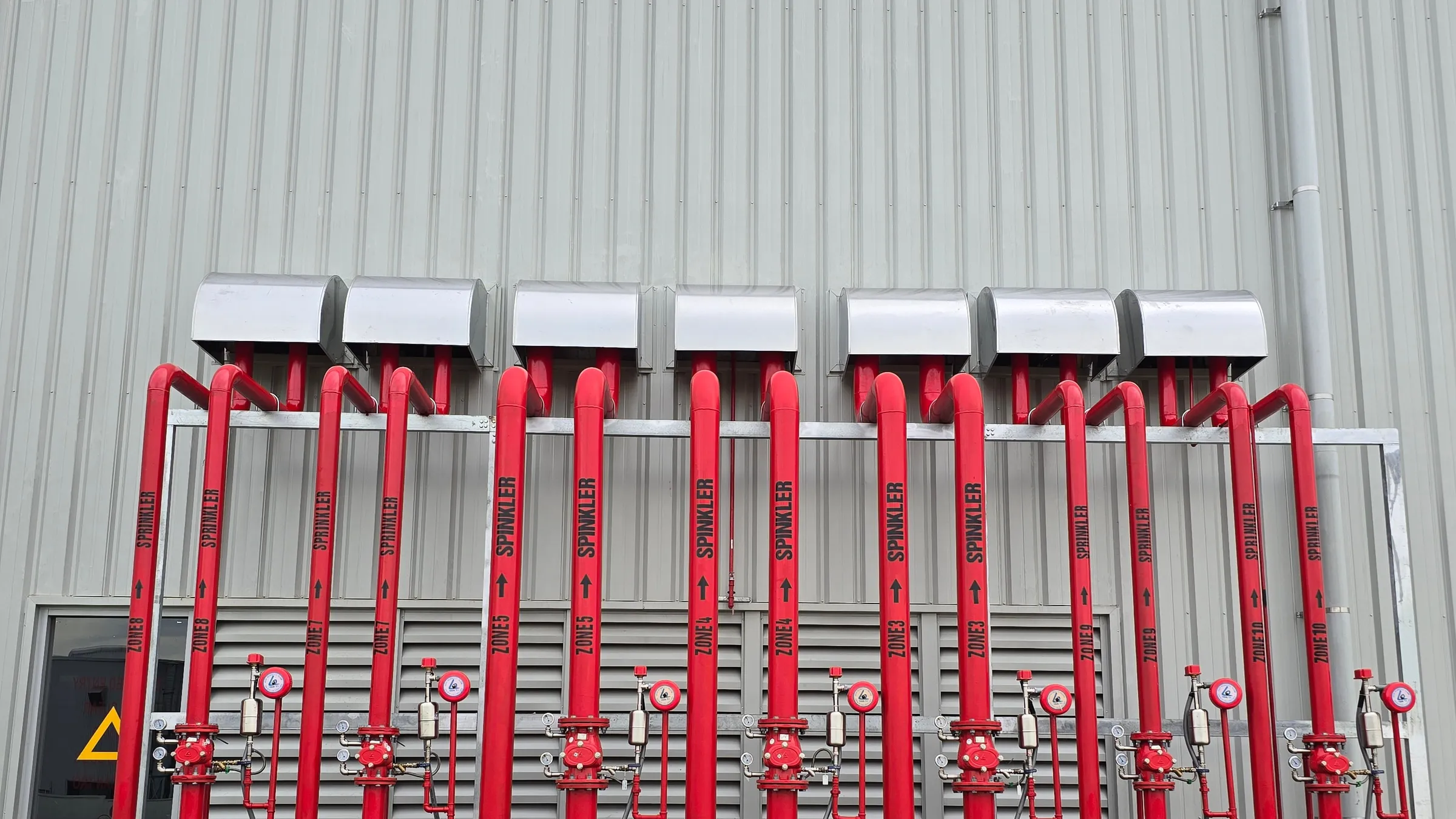
A building already has fire detection, gas sensors, access control and cameras. Each one alarms on its own and none of them share what they see. A real incident often shows up as small signals in several systems at once, and that is exactly the pattern no single alarm can catch.
Alarms live in silos
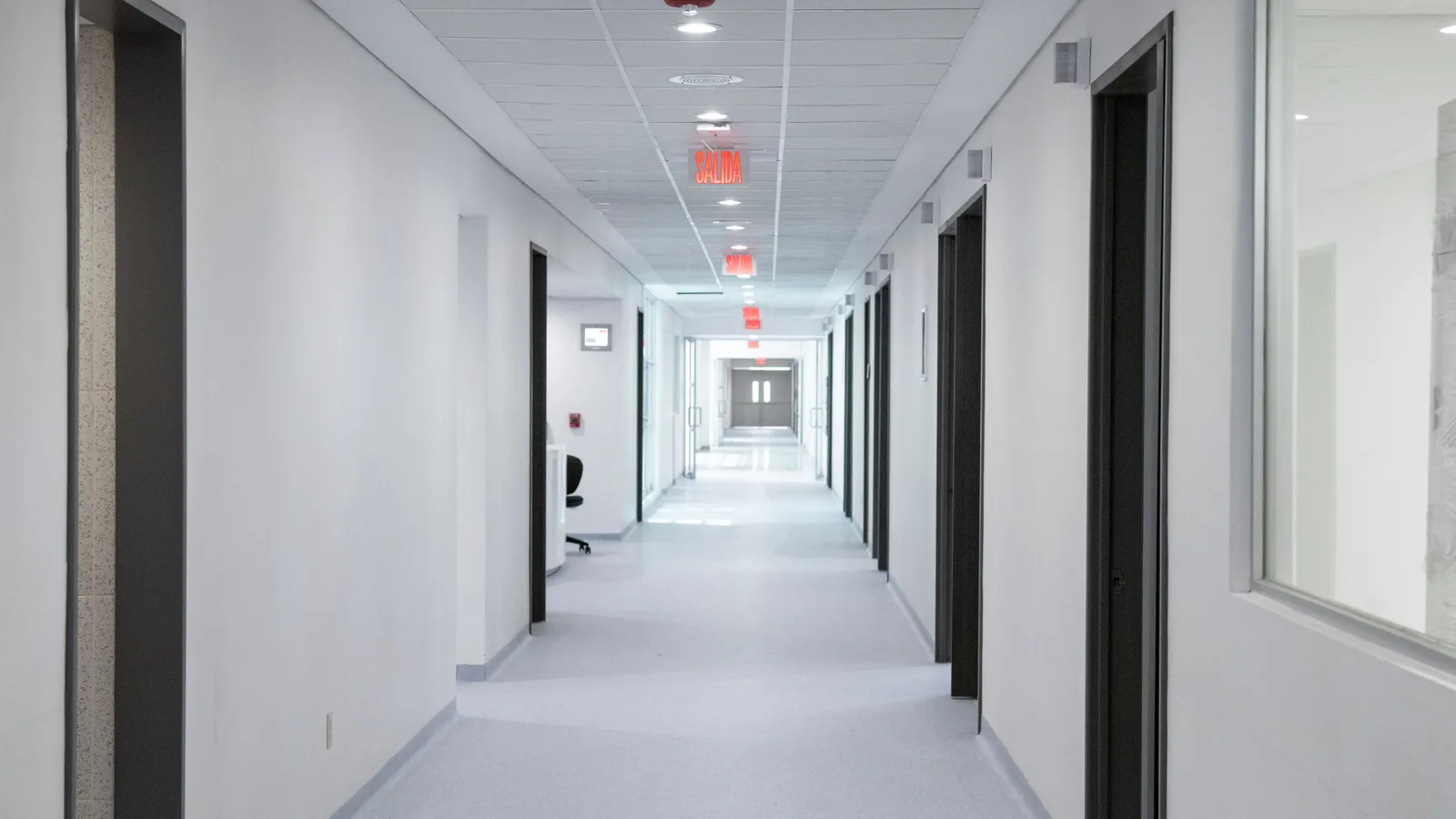
The fire panel, the gas detector, access control and the cameras each raise their own alarm. Nobody sees them together, so a real incident hides between systems that do not talk.

False alarms burn trust
Too many nuisance alarms and people stop reacting. When a genuine emergency comes, the response is slower because the last ten alarms were nothing.

Proving what happened is slow
After an incident the evidence is scattered across logs, recordings and memory. Reconstructing who did what and when for an audit or an insurer takes days.
Read every signal together, then act in seconds
The agent takes fire, gas, access, camera, motion and environmental signals as one picture, decides whether it is a real incident and escalates to the right people in seconds. Every step is written to a timestamped audit trail.
- 1
Read the signals together
One sensor is never the whole story. The agent watches fire, gas, access, cameras, motion and occupancy as one live picture instead of six separate alarms.
- 2
Judge real incident or false alarm
A single tripped sensor might be a nuisance. The same sensor plus motion, an open door and a rising gas reading is an emergency. The agent tells them apart before anyone is woken at 3am for nothing.
- 3
Escalate in seconds, log everything
When it is real, it reaches security, facilities or emergency services in seconds, can trigger an evacuation and writes every event and action to a full audit trail.
 On-Device AgentFire and smoke
Faster response, fewer false alarms, full proof
Operators do not want alarms. They want fewer incidents, a response measured in seconds and proof of what happened. There is no honest independent percentage for safety, so the figures below are qualitative. The real numbers get measured in a pilot on your site.
Minutes to seconds
incident response time
Fewer
false alarms through signal fusion
Faster
evacuation when seconds count
100%
of events logged and auditable
One agent, the whole building watched
Sees the whole picture
One stuck door alone is nothing. A stuck door plus motion plus a rising gas reading is an incident. The agent reads fire, gas, access, cameras and motion together and judges a real incident against a false alarm.
Complete audit trail
Every event and every action is logged, timestamped and traceable through the agent registry. When owners, insurers or regulators ask what happened and when, the evidence is already there.
Fewer false alarms
By combining signals instead of trusting one sensor, it filters out the nuisance trips that make staff stop reacting, so a real alarm is taken seriously.
Vision on device
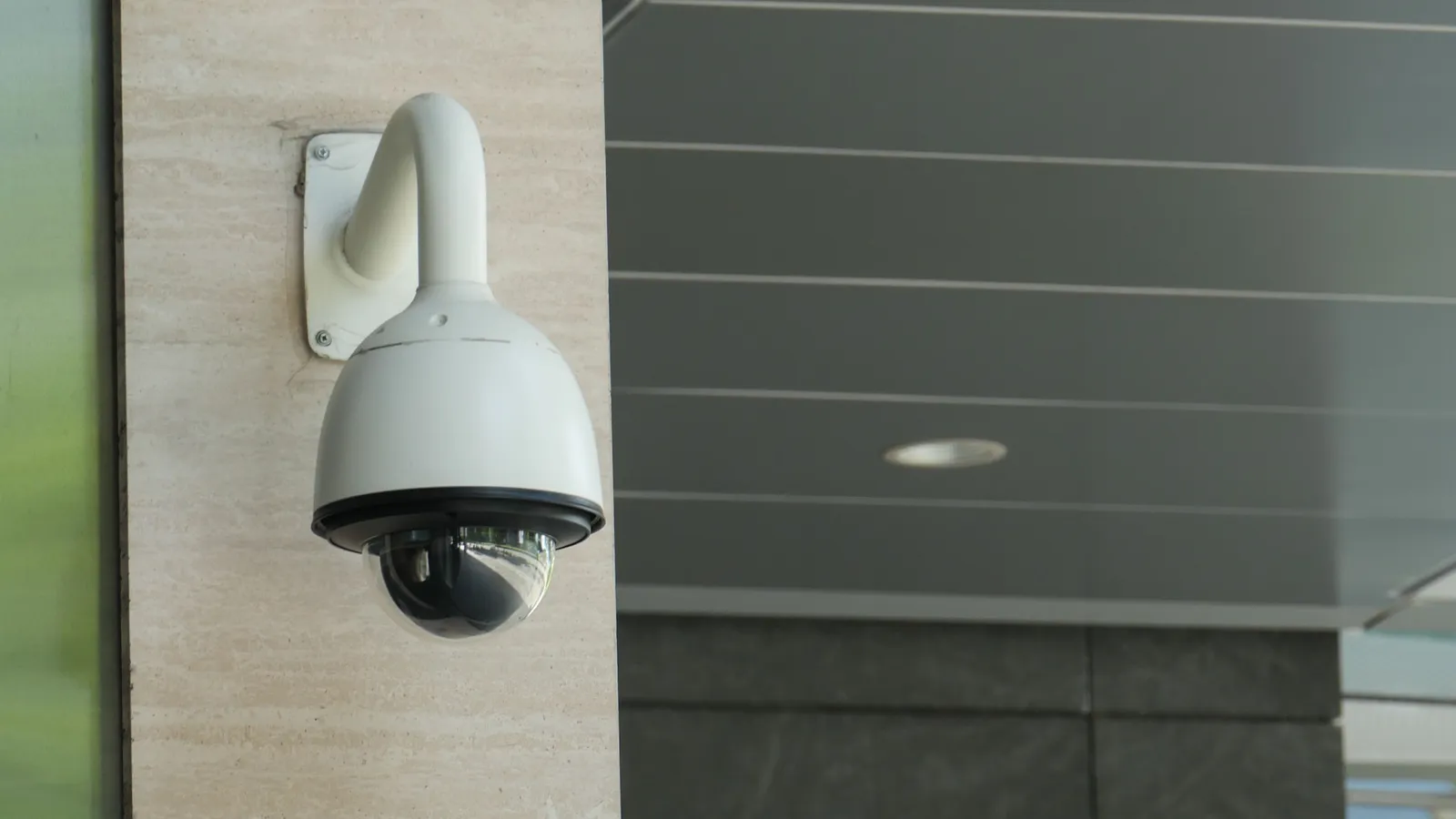
Cameras with computer vision spot smoke, intrusion, crowding and blocked exits in real time, and the footage never leaves the building.
Escalation that reaches people
When it is real, it alerts security or facilities, can trigger an evacuation sequence and notify emergency services in seconds, and the team stays in control.
Fleet across buildings
One view across every site compares alarms, response times and audit records, and rolls the best response plan out everywhere from one place.
Watch it catch a real incident
The clearest way to judge this is to see it. Book a live demo and watch the agent fuse signals, separate a real incident from a false alarm and write the full audit trail in real time.
See incident detection and the audit trail
Book a walkthrough of live incident detection and the full timestamped audit trail on a setup like yours, and see how fast the right people get alerted.
Book a live demoYour data never leaves the building
The agent runs entirely on your own on-site hardware. No cloud, no footage leaving the building, and it keeps working when the internet or power fluctuates. Every event and action is timestamped and auditable, which is exactly what owners, insurers and regulators ask for.
- Runs on your own on-site hardware
- No cloud dependency
- Camera understanding stays on the device
- Keeps operating during outages
- Full timestamped audit trail with agent registry and logging
- Local execution and signed images, CRA hardening on the roadmap
Questions facility and safety teams ask
Do we have to replace our fire panel and access control?
No. The agent adds a decision layer on top of the fire panel, gas detectors, access control and cameras you already have. It coordinates them toward faster, more accurate response, and every existing system keeps working on its own.
Does it work without internet?
Yes. Everything runs locally on your own on-site hardware, so it keeps detecting incidents and escalating during internet or cloud outages, and no footage or event data ever leaves the building.
Will it create more false alarms?
The opposite. By reading several sensors together instead of trusting one, it separates a real incident from a nuisance trip, so staff can trust an alarm again and respond faster when it counts.
Can we prove what happened for an audit?
Yes. Every event and every action is logged, timestamped and traceable through the agent registry, so evidence for owners, insurers or regulators is ready in minutes instead of days.
What happens in a real emergency?
When it judges a real incident, it alerts security or facilities, can trigger an evacuation sequence and notify emergency services in seconds. The team sets the rules and can override any action at any time.
Do the camera feeds leave the building?
No. Cameras are understood on the device and the footage stays on your hardware. The agent shares a decision and an audit record, not the raw video.
Built by a German engineering team, grown out of applied research at the Hahn-Schickard Institute in Villingen-Schwenningen. The edge agent runtime is open source under AGPL-3.0.
Put an incident expert in every building
Start a pilot in one building, watch it fuse signals, cut response to seconds and write the full audit trail, and keep your team in control the whole way.
Sources and notes
- 1There is no independent benchmark percentage for building safety, so these outcomes are stated qualitatively. The real figures depend on your site, sensors and response plan and get validated in a pilot, not promised.