
The building that runs itself
A local AI watches the building equipment around the clock, catches faults early, resolves routine tasks on its own and sends the right technician for the rest. The team stays in control the whole way.
100% local Works offline Explainable decisions Keeps your BMS
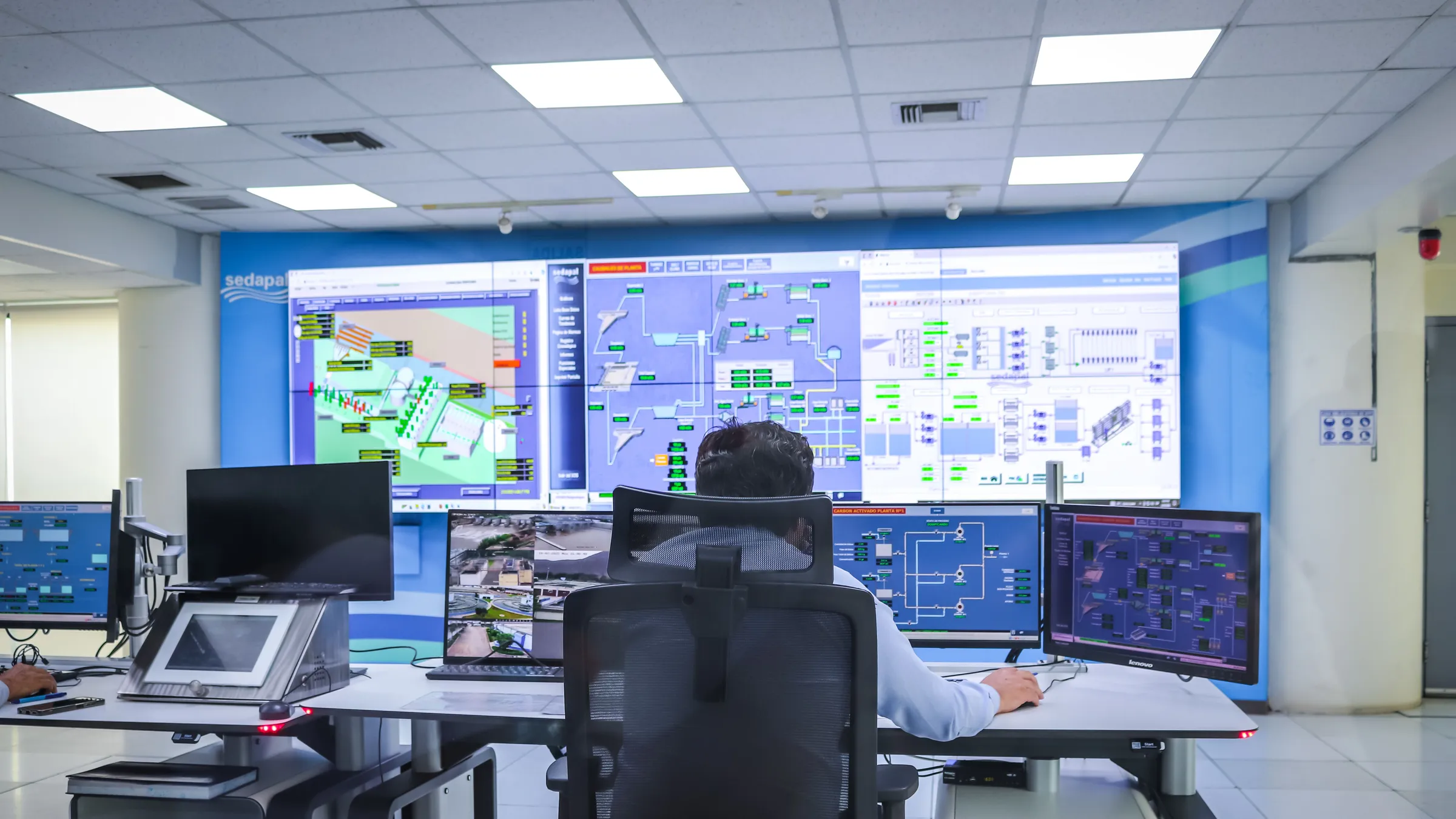 On-Device AgentRuns 100% locally on your hardwareHVAC, pumps and elevators
Facility AI is a local decision layer that sits on top of the building management system, equipment controllers and sensors already installed. It watches equipment health around the clock, resolves routine tasks on its own, predicts a fault before the machine fails and dispatches the right work order, which cuts manual technician hours and response time. It runs entirely on the operator's own hardware with no cloud and keeps working when the internet drops. It does not replace the BMS. It adds an intelligent layer that coordinates existing systems toward operational and cost goals.
Maintenance that only reacts after it breaks
A large building has hundreds of assets: HVAC, pumps, elevators and meters. Today maintenance is reactive, tickets are worked by hand, and a technician drives out for every complaint. Faults show up as breakdowns, not warnings. Nobody optimizes the whole operation for uptime and cost.
- 01
Reactive maintenance
Equipment gets fixed after it fails, which means emergency callouts, downtime and higher repair cost.
- 02
Technicians are scarce
Skilled staff is hard to find, and manual rounds and tickets do not scale across large or multi site portfolios.
- 03
Routine tickets eat the day
Resets and simple faults are handled by hand and pull technicians away from the real problems.

Watch, predict and act, on your own hardware
The agent reads equipment telemetry continuously, catches the early signs of a fault, resolves what it can on its own and dispatches the right technician for the rest. It plans maintenance before failure instead of reacting to breakdowns, and it logs every task in a full audit trail.
- 1
Watch equipment health
The agent reads telemetry, vibration and consumption from every asset continuously and learns the normal behavior of the HVAC, pumps and elevators.
- 2
Predict a fault before it fails
A pump draws more power and its vibration shifts, so it is drifting toward a bearing failure. The agent surfaces the likely cause before it turns into a breakdown.
- 3
Act, dispatch and keep the record
It resolves routine tasks itself, and for the rest it opens the right work order and alerts the matching technician. Every action is logged and auditable, and the team sets the guardrails and can override.
 On-Device AgentHVAC, pumps and elevators
Optimize for uptime and cost
Operators do not want the cheapest maintenance contract. They want assets that stay up and a team that spends its hours on real problems. The agent optimizes the numbers that move the operating budget. The ranges below come from independent studies for this technology category.
One agent, the whole operation
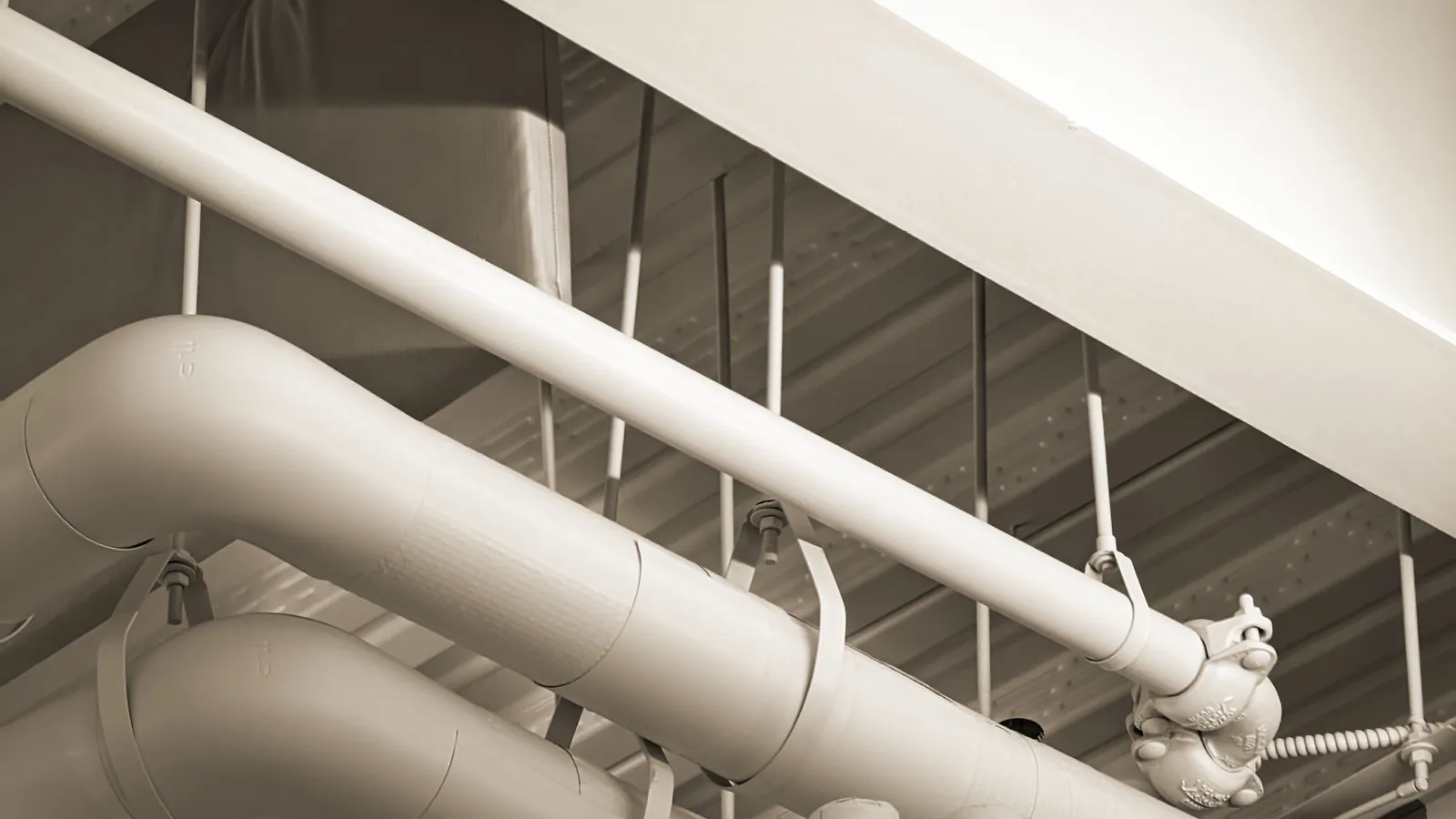
Predictive maintenance
Vibration and telemetry trends reveal a pump heading for a bearing failure, so the agent schedules service before the breakdown and orders the part, instead of waiting for an emergency callout.
Auto-resolve routine tasks
Resets, simple faults and routine tickets get closed without a person, so technicians keep their hours for the real problems.
Smart dispatch
For anything that needs hands, the agent opens the right work order and routes it with the context to the matching technician.
Vision
On device cameras with computer vision spot leaks, blocked exits and equipment issues in real time, and the images never leave the building.
Explainable AI
A voice assistant answers why it acted in plain language, so the team can trust and audit every decision.
Fleet across buildings
Building B fails less often than building A. The fleet view finds that strategy and rolls it out across every site from one place.
What could the ranges mean here
Enter an annual maintenance and service budget and see the saving range independent studies report for this category. The real figure gets measured in a pilot, never guessed.
Typical benchmark range
5-10%
Estimated annual saving
€15,000 - €30,000/ year
Range based on Deloitte predictive maintenance research (5 to 10% lower maintenance cost). Results depend on the starting point and get validated in a pilot, not promised.
Your data never leaves the building
The agent runs entirely on the operator's own hardware. No cloud, no data leaving the building, and it keeps working even when the internet drops. Every action is logged and auditable, which matters when the operation answers to owners and regulators.
- Runs on on-site hardware
- No cloud dependency
- Keeps running during outages
- Works over existing building and equipment systems
- Full audit trail of every task and action
- Local execution and signed images, CRA hardening on the roadmap
Questions facility operators ask
Do we have to replace our BMS?
No. The agent adds a decision layer on top of the existing building management system, equipment controllers and sensors. It coordinates what is already installed toward uptime, operations and cost goals, and full manual control stays with the team.
Does it run without internet?
Yes. Everything runs locally on your own hardware, so the agent keeps working during outages and no equipment or building data ever leaves the site.
How much can we actually save?
Deloitte reports roughly +10 to 20% asset availability and 5 to 10% lower maintenance cost for predictive maintenance, and McKinsey reports up to 50% less unplanned downtime. We do not promise a fixed number. The real figure gets measured in a pilot.
What is predictive maintenance here?
The agent reads vibration and telemetry trends to see an asset drifting toward failure, then schedules the service ahead of time instead of repairing after the breakdown.
Which tasks can it resolve on its own?
Resets, simple faults and routine tickets get closed without a person. For everything else it opens the right work order and alerts the matching technician.
How does it explain its decisions?
Ask why it acted and it answers in plain language, backed by a full audit log. The team sets the guardrails and can override any action at any time.
Built by a German engineering team, grown out of applied research at the Hahn-Schickard Institute in Villingen-Schwenningen. The edge agent runtime is open source under AGPL-3.0.
Put an operations expert in every building
Start a pilot on one building, measure the real numbers on your assets and your maintenance budget, and keep the team in control the whole way.
Sources and notes
- 1Asset availability and maintenance cost: Deloitte predictive maintenance research reports roughly +10 to 20% asset availability and 5 to 10% lower maintenance cost. Results depend on the starting point and get validated in a pilot.
- 2Unplanned downtime and machine life: McKinsey reports up to 50% less unplanned downtime and up to 20 to 40% longer machine life for predictive maintenance. Strongly asset and method dependent, and validated in a pilot.