
Lower energy cost and peak load across the whole building
A local AI reads climate, occupancy, meters and prices around the clock, understands how comfort and cost pull against each other and makes the moves that lower the bill and the peak. The facility team stays in control the whole way.
100% local Works offline Explainable decisions Keeps your BMS
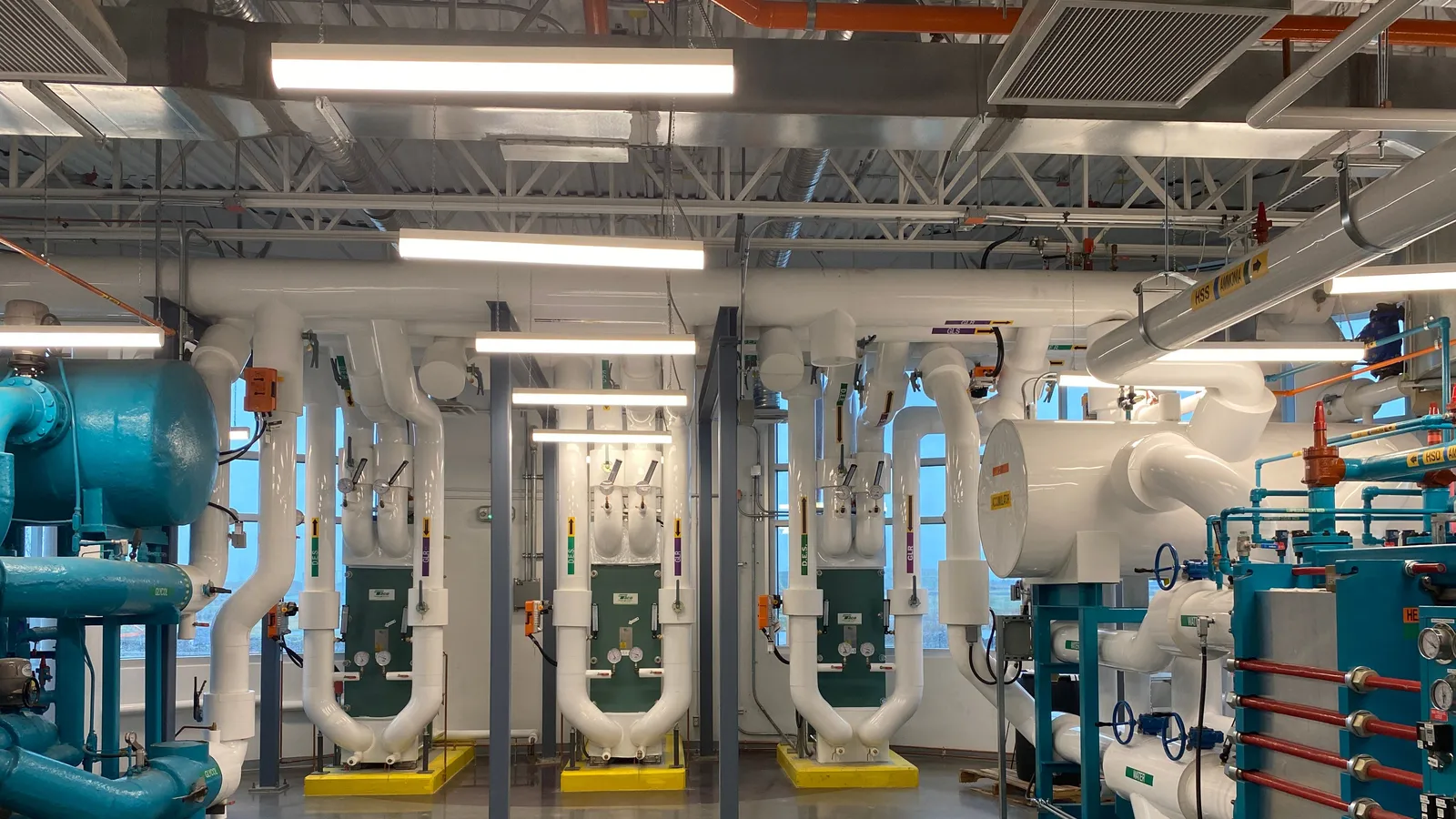
Building Energy Management is a local decision layer that sits over an existing BMS, HVAC and meters. It continuously optimizes heating, cooling, ventilation and on site solar against energy price, weather, occupancy and comfort to cut energy cost and peak demand charges, runs entirely on the operator's own on site hardware with no cloud, and keeps working when the internet drops. It does not replace the BMS. It adds an intelligent layer that coordinates existing systems toward cost, comfort and ESG goals.
Energy runs on schedules that ignore price and use
A commercial building has thousands of setpoints across HVAC, lighting and metering, and most of them run on fixed schedules. Heating and cooling fire the same way whether power is cheap or expensive, whether a floor is full or empty. The BMS holds temperature and the meter records the bill. Nobody optimizes the whole building against cost.
- 01
Volatile energy prices
Power and gas prices swing by the hour, but fixed BMS schedules heat and cool the same way regardless of price or weather.
- 02
Peak demand charges
A few sharp load spikes each month can drive a large share of the bill, and nobody is watching them in real time.
- 03
Systems in silos
HVAC, metering and on site solar run separately, so the building rarely uses its own solar first or balances comfort against cost as a whole.

Observe, plan and act, on your own hardware
The agent reads meters, climate and prices continuously, weighs comfort against cost and price and drives the HVAC, ventilation and solar that are already installed. It plans ahead instead of only reacting, and it explains every move in plain language.
- 1
Look ahead
Tomorrow morning is cold and power is expensive, and the west wing is empty until nine. The agent pre heats overnight on cheap power, holds the empty zones back and lines up on site solar for the midday load.
- 2
Balance comfort and cost
It lowers energy cost, caps the peak that drives demand charges, uses on site solar first and keeps every zone inside its comfort band at the same time, not one target after another.
- 3
Explain and stay in control
Ask why it pre heated and it answers in plain language. Every action is logged and auditable, and the facility team sets the guardrails and can override anything.
Observes
On-Device Agent
Runs 100% locally on your hardware
Acts
Lower the bill and the peak, not comfort
Operators do not want a cold building. They want the lowest total energy cost while comfort and ESG targets hold. The agent optimizes the numbers that move the utility bill. The ranges below come from an independent study for this technology category.
One agent, the whole building
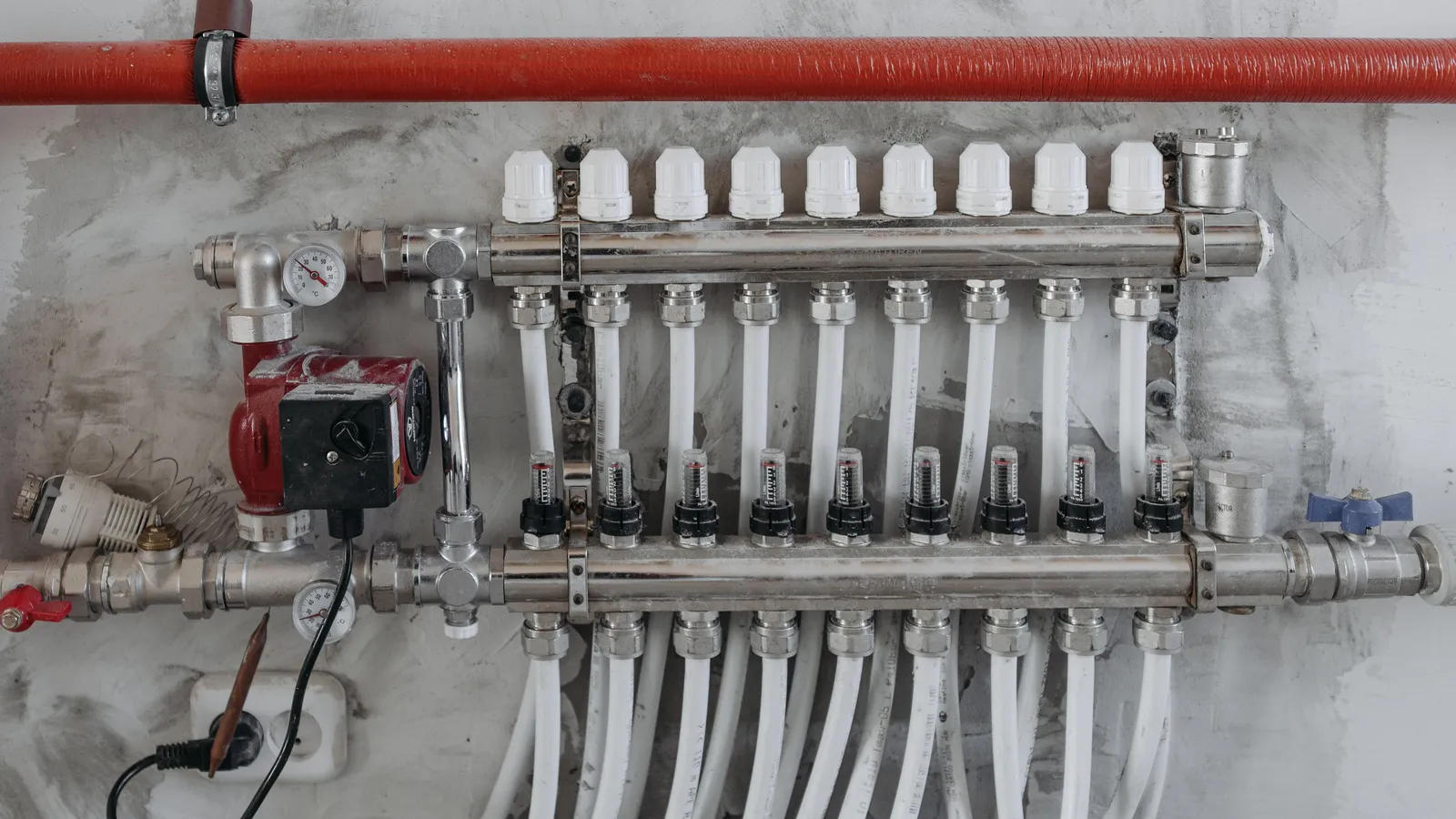
Peak load management
A few load spikes drive a large share of a commercial bill through demand charges. The agent forecasts them and shaves the peak in real time, staggering HVAC start up and leaning on on site solar and thermal mass so the meter never sees the spike.
Planning, not reacting
It forecasts weather, energy prices and occupancy and schedules heating, cooling and ventilation hours ahead instead of chasing setpoints after the fact.
On site solar first
It uses the building's own solar before the grid, pre cooling or pre heating while the sun produces, so self consumption goes up and grid draw goes down.
Self diagnosis
Energy for one zone is drifting up, so a damper is probably stuck. The agent surfaces the likely cause before it shows on the bill and opens a maintenance task.
Explainable AI
A plain language assistant answers why it acted, so facility managers can trust and audit every action and report it to owners.
Fleet across buildings
One building runs cooler on less energy than another. The fleet view finds that strategy and rolls it out across the portfolio from one place.
What could the ranges mean here
Enter an annual building energy spend and see the saving range independent studies report for smart building automation. The real figure gets measured in a pilot, never guessed.
Typical benchmark range
10-31%
Estimated annual saving
€50,000 - €155,000/ year
Range based on an independent NREL study of smart building automation, reported via 75F (up to about 31 percent of building energy, up to about 42 percent of HVAC). Results depend on the building and its baseline and get validated in a pilot, not promised.
Your data never leaves the building
The agent runs entirely on the operator's own on site hardware. No cloud, no data leaving the building, and it keeps optimizing even when the internet drops. Every action is logged and auditable, which matters when the operation answers to owners, ESG reporting and regulators.
- Runs on your own on site hardware
- No cloud dependency
- Keeps operating during outages
- Works with the existing BMS, HVAC and meters
- Full audit trail of every action
- Local execution and signed images, CRA hardening on the roadmap
Questions facility and energy managers ask
Do we have to replace our BMS?
No. The agent adds a decision layer on top of the existing BMS, HVAC and meters. It coordinates what is already installed toward energy, peak and comfort goals, and full manual control stays with the facility team.
Does it run without internet?
Yes. Everything runs locally on your own on site hardware, so the agent keeps optimizing during outages and no building or energy data ever leaves the site.
How much can we actually save?
An independent NREL study of smart building automation, reported via 75F, found up to about 31 percent of building energy and up to about 42 percent of HVAC energy. We do not promise a fixed number. The real figure gets measured in a pilot on your building.
How does it lower peak demand charges?
It forecasts load and shaves the peak in real time, staggering HVAC start up and using on site solar and thermal mass, so the meter never records the spike that drives the demand charge.
Will comfort suffer?
No. Every zone stays inside its comfort band and ventilation follows real occupancy, so the building feels the same while it uses less energy. The team sets the guardrails and can override any action.
Does it work across several buildings?
Yes. A fleet view compares buildings across the portfolio, finds the strategy that runs on the least energy and rolls it out everywhere from one place.
Built by a German engineering team, grown out of applied research at the Hahn-Schickard Institute in Villingen-Schwenningen. The edge agent runtime is open source under AGPL-3.0.
Put an energy expert in every building
Start a pilot in one building, measure the real numbers on your load profile and tariff, and keep the facility team in control the whole way.
Sources and notes
- 1Energy and HVAC: an independent NREL study, reported via 75F, found smart building automation can cut total building energy by up to about 31 percent and HVAC energy by up to about 42 percent. Results depend on the building and its baseline and get validated in a pilot.
- 2Peak load: demand charges can be a large share of a commercial electricity bill, so capping the peak protects cost even when total energy moves little. The real effect gets measured in a pilot on your load profile and tariff.