
Protect uptime and cut cooling cost
A local AI watches every rack, chiller and power path around the clock, weighs cooling cost against the uptime limits you set and proposes the moves that keep the facility online. The team stays in control the whole way.
100% local Works offline Explainable decisions Keeps your BMS and DCIM
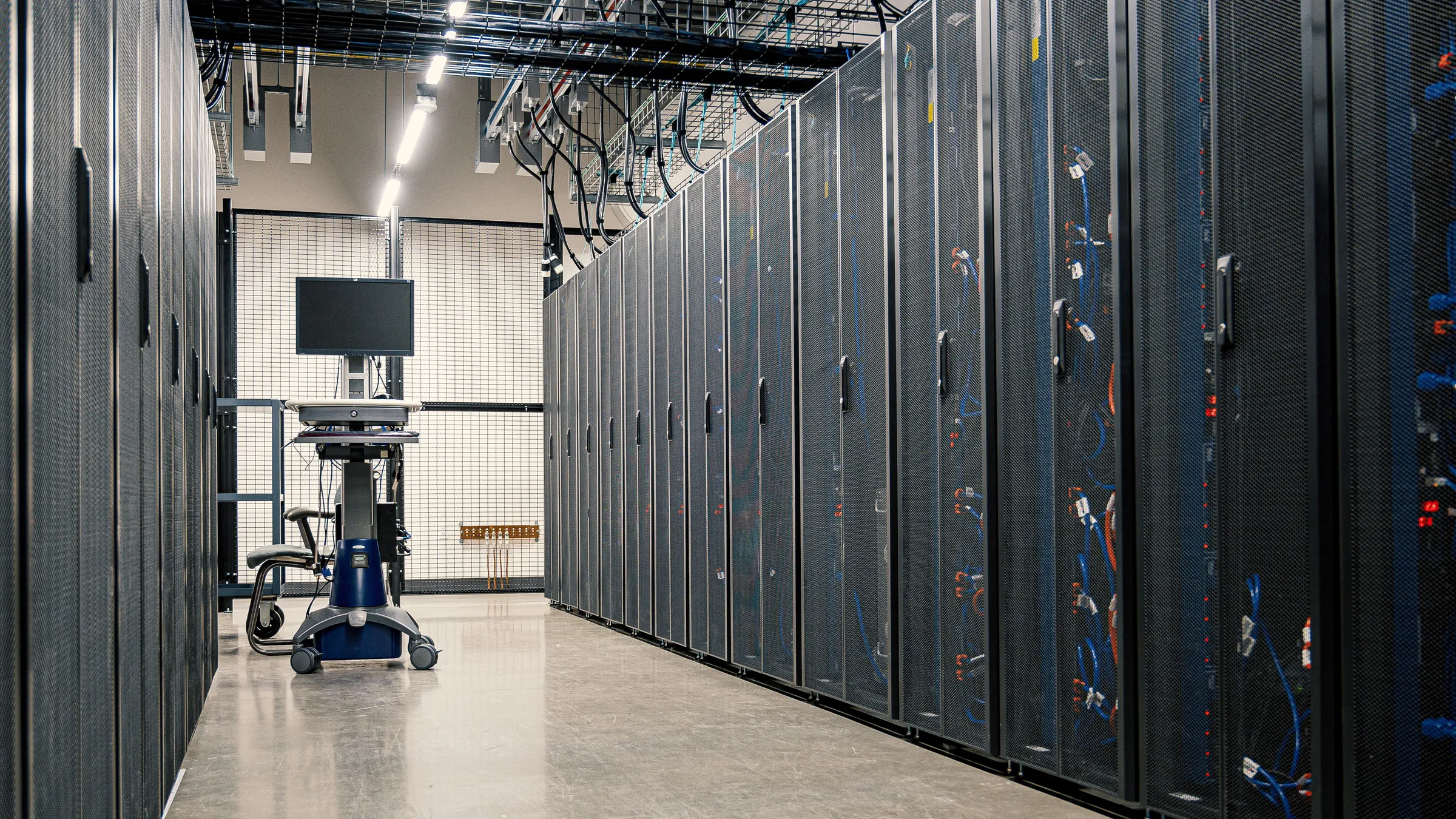 On-Device AgentRuns 100% locally on your hardwareTemperature and humidity (hot and cold aisle)
ForestHub gives data centers a local decision layer that sits on top of the existing BMS, DCIM, CRAC and PLC. It optimizes cooling and energy while protecting uptime, runs entirely on the operator's own hardware with no cloud, and keeps working when the internet drops. It does not replace what is installed. It adds an intelligent layer that coordinates existing systems and logs every action for audit.
Every watt of cooling fights every hour of uptime
A data center runs on a hard trade off. Cooling is one of the largest controllable costs, so trimming it saves real money. But a single unplanned outage can cost more than a year of energy. Today the BMS runs cooling, the DCIM watches capacity and separate tools watch the assets. Nobody balances cost against uptime across the whole facility.
- 01
Cooling drives the bill
Cooling is a large share of facility power, and fixed setpoints overcool to stay safe, which burns energy that never had to be spent.
- 02
Downtime is catastrophic
One unplanned outage can cost more than a year of energy, so operators run conservative and leave efficiency on the table.
- 03
Systems run in silos
BMS, DCIM, CRAC and CRAH, UPS and generators each optimize alone, and no layer balances uptime against cost across the site.
Observe, plan and act, on your own hardware
The agent reads every facility signal continuously, weighs cooling cost against the uptime limits the team sets and drives the systems that are already installed. It plans ahead instead of only reacting, and it explains every move in plain language.
- 1
Look ahead
IT load will rise this afternoon and outside air is cool tonight. The agent pre stages cooling, uses free cooling while it can and keeps thermal headroom ready before demand climbs.
- 2
Balance every goal at once
It protects uptime first, then trims cooling energy and cost, holds every rack inside its thermal limit and flags asset risk at the same time, not one target after another.
- 3
Explain and stay in control
Ask why it raised a setpoint and it answers in plain language. Every decision is logged and auditable, and the team sets the guardrails and can override any action.
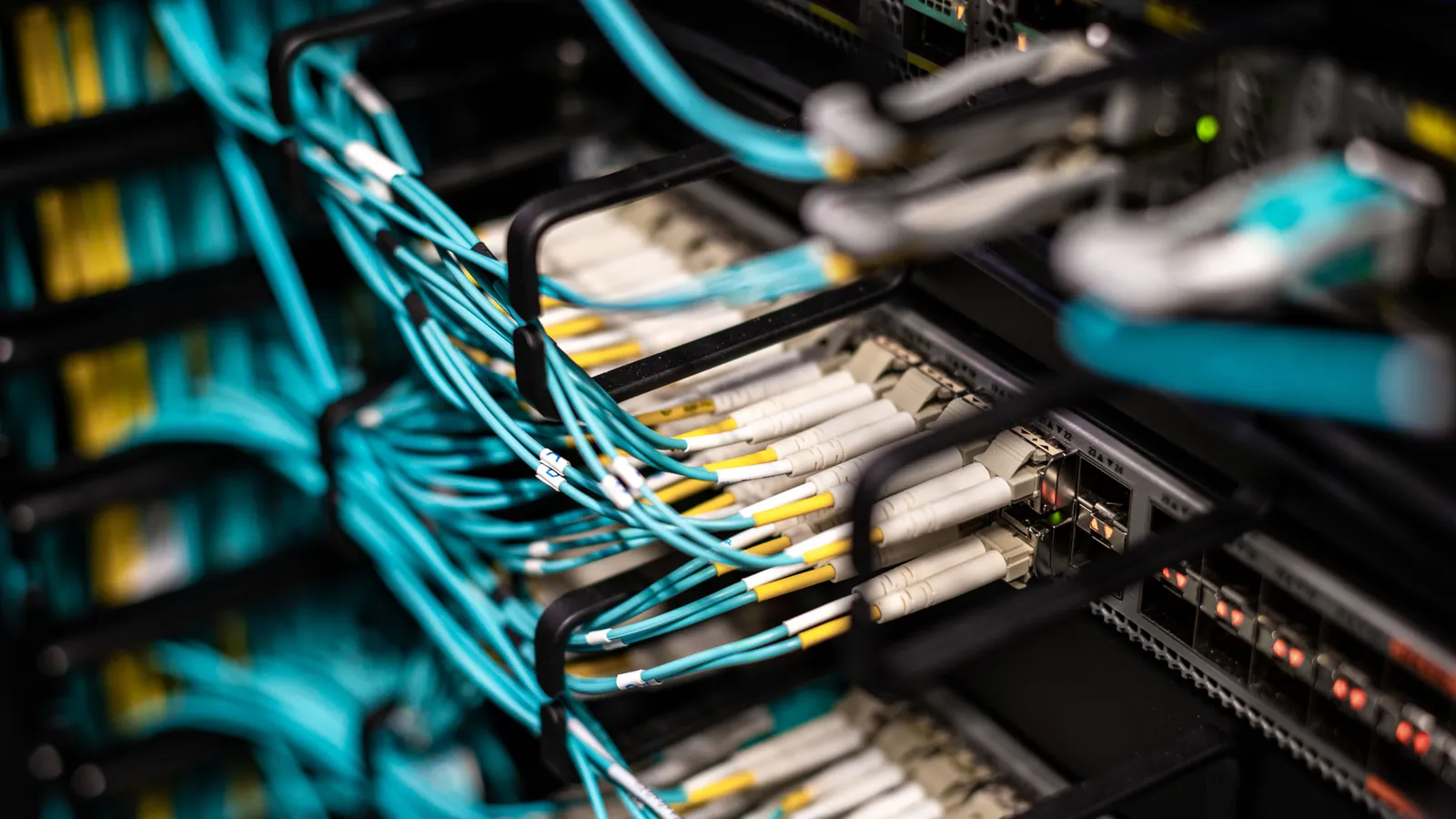 On-Device AgentTemperature and humidity (hot and cold aisle)
Optimize for uptime and cooling cost
Operators do not chase the lowest power bill. They protect uptime first and cut cost second. The agent optimizes the numbers that decide both. The ranges below come from independent studies for this technology category.
One agent, the whole facility
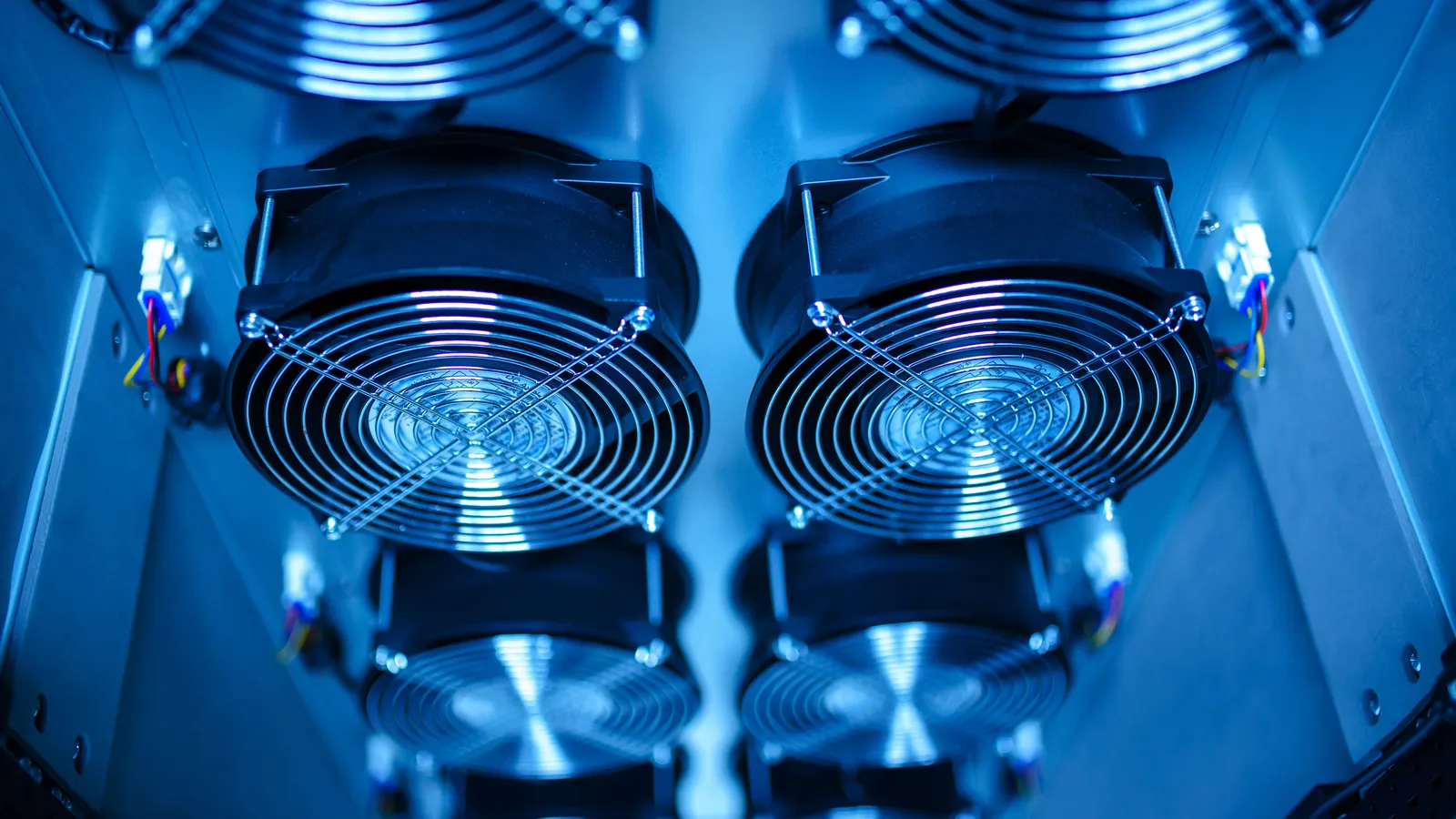
Cooling optimization
Cooling is one of the largest controllable costs in a data center. The agent tunes setpoints, fan speed and chiller staging against real IT load, weather and power prices, and never trades away thermal headroom to do it.
Critical infrastructure protection
It watches for hot spots, thermal drift, UPS anomalies and access events, turns minutes of manual checking into seconds of automatic detection and raises fewer false alarms, with a full record of what happened.
Availability and uptime
It forecasts equipment wear and stages maintenance before a fault becomes an outage, so availability goes up and unplanned downtime goes down across the facility.
Audit trail and registry
Every decision, override and alert is logged and traceable. An agent registry shows which sub agents run where, so operators and auditors can see exactly what acted and why.
Vision and existing buses
On device cameras spot smoke, water and unauthorized access, and the agent speaks Modbus and OPC-UA to read the BMS, DCIM, CRAC and PLC that are already installed. Images and data stay in the building.
Fleet across sites
One site runs cooler than another at the same load. The fleet view finds that strategy, pushes it to every site over the air and keeps each edge device updated from one place.
See it protect uptime on your systems
Book a walkthrough on your own BMS and DCIM data and watch how the agent balances cooling cost against uptime, with every action logged and every decision explained.
Book a live demo
See the local decision layer run on real data center signals, from cooling setpoints to availability, with a full audit trail.
Book a live demoYour data never leaves the building
The agent runs entirely on the operator's own hardware. No cloud, no data leaving the building, and it keeps optimizing even when the internet drops. Every action is logged and auditable, which matters for critical infrastructure that answers to owners, customers and regulators.
- 100% local, no cloud dependency
- Keeps optimizing through internet outages
- Works with the existing BMS, DCIM and PLC
- Full audit trail of every decision
- Explainable, not a black box
- Local execution and signed images, CRA hardening on the roadmap
Questions data center operators ask
Do we have to replace our BMS or DCIM?
No. The agent adds a decision layer on top of the existing BMS, DCIM, CRAC and PLC. It coordinates what is already installed toward cooling and availability goals, and full manual control stays with the team.
Is it safe for uptime?
Yes. Uptime is the top guardrail. The team sets the thermal and availability limits the agent must respect, it optimizes cost only inside those limits, and any action can be overridden at any time.
Does it run without internet?
Yes. Everything runs locally on your own hardware, so the agent keeps optimizing during outages and no facility or infrastructure data ever leaves the building.
How much can we save on cooling?
Independent studies for this category report meaningful ranges for cooling energy, availability and downtime. We do not promise a fixed number. The real figure gets measured in a pilot on your load and your power contract.
How does it explain its decisions?
Ask why it raised a setpoint or staged a chiller and it answers in plain language, backed by a full audit log. Every decision, override and alert is traceable for owners and regulators.
Does it work across several sites?
Yes. A fleet view compares halls and sites, finds the strategy that runs coolest at a given load and rolls it out everywhere over the air from one place.
Built by a German engineering team, grown out of applied research at the Hahn-Schickard Institute in Villingen-Schwenningen. The edge agent runtime is open source under AGPL-3.0.
Put an operations expert in every data center
Start a pilot on one hall, measure the real numbers on your cooling load and your power contract, and keep the team in control the whole way.
Explore more
See how one local decision layer runs energy, safety and operations across a building.
Facility operationsPredict equipment faults and cut unplanned downtime with condition based maintenance.
Building energy managementCut HVAC and cooling cost with predictive, price aware control on your own hardware.
Sources and notes
- 1Energy: NREL research reported via 75F finds up to ~42% HVAC and cooling energy savings from smart building automation in commercial buildings. Transferability to data center cooling gets measured in the pilot, not assumed.
- 2Availability and maintenance: Deloitte reports +10-20% higher equipment availability and -5-10% lower maintenance cost from predictive, condition based maintenance. This is asset level, not data center uptime, and gets measured in a pilot, not guaranteed.
- 3Downtime: McKinsey reports up to 50% fewer unplanned outages with predictive maintenance. Strongly dependent on the starting point and validated in a pilot.