
Safer residents, calmer care teams
A local AI watches the signals across the residence around the clock, notices a fall, a wandering risk or a quiet decline early, and alerts the right caregiver in seconds. The team stays in control and no video ever leaves the building.
100% local No cloud cameras Works offline Explainable decisions
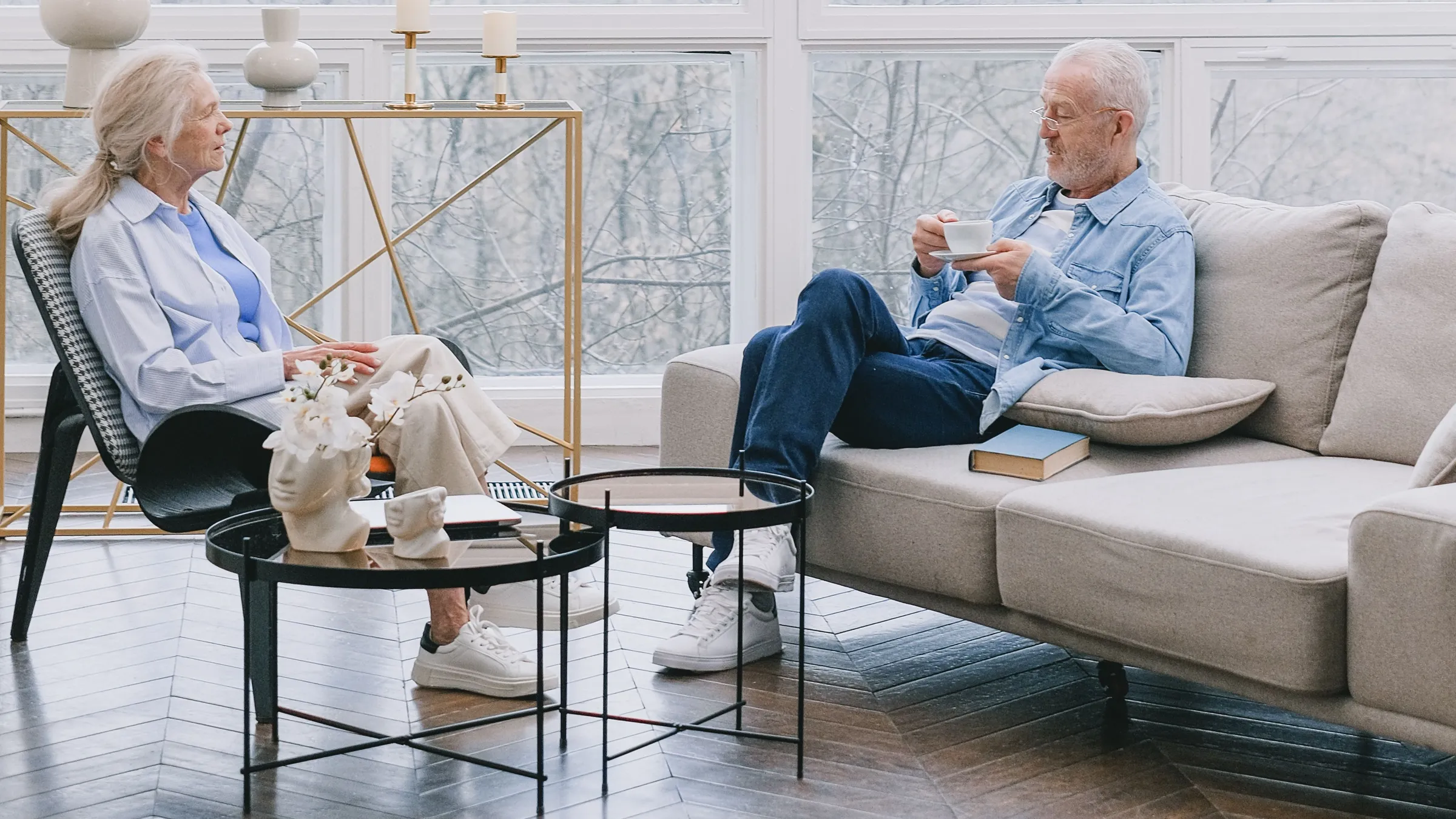 On-Device AgentRuns 100% locally on your hardwareFall and motion sensors
Senior Living AI is a local decision layer that sits on top of the sensors, nurse call and building systems a residence already has. It detects falls, wandering and health risks early, alerts the right caregiver in seconds and keeps the building comfortable and efficient, all on the operator's own hardware with no cloud and no footage leaving the property. It does not replace the care team. It gives them earlier warning and more time for the residents.
Care teams cannot watch every room at once
A senior living community runs on attention that is always stretched thin. A fall in a quiet corridor can go unseen for a long time, a resident who is declining slowly is easy to miss, and every alarm that turns out to be nothing pulls a caregiver away from someone who needs them. Cameras feel invasive and cloud services put private moments on someone else's servers.
Falls found too late
A fall at night can lie unnoticed until the next round, and every minute on the floor raises the risk of serious harm.
Staff stretched thin
Caregivers are scarce and overworked, and constant false alarms burn the time and focus that residents depend on.
Privacy under pressure
Families expect dignity, yet many monitoring systems stream video and health data to the cloud where residents lose control of it.
Watch, understand and alert, on your own hardware
The agent reads the signals across the residence continuously, tells a real emergency apart from harmless movement and alerts the right caregiver in seconds. It learns each resident's normal rhythm, and it explains every alert in plain language.
- 1
See what matters
A resident has not left the bedroom by late morning and the bathroom door has not moved. The agent recognizes the break in routine, checks the room and raises a gentle wellbeing alert before it becomes an emergency.
- 2
Weigh safety, comfort and cost together
It puts resident safety first, keeps rooms warm and well lit for the people who live there and still trims energy where no one is affected, not one goal at the expense of the others.
- 3
Explain and stay in control
Ask why it raised an alert and it answers in plain language. Every event is logged and auditable, and the care team sets the rules and can override any action.
 On-Device AgentFall and motion sensors
Safer residents, calmer shifts
Care operators do not buy a smart building. They buy earlier warning, fewer false alarms and staff who spend more time with residents. These outcomes are qualitative and get measured on your own floor in a pilot, never promised in advance.
Seconds2
From a fall to the right caregiver alerted
- FewerFalse alarms that pull staff away
- EarlierWarning on a slow decline in a resident
- Every eventLogged and auditable by design
One agent, the whole residence
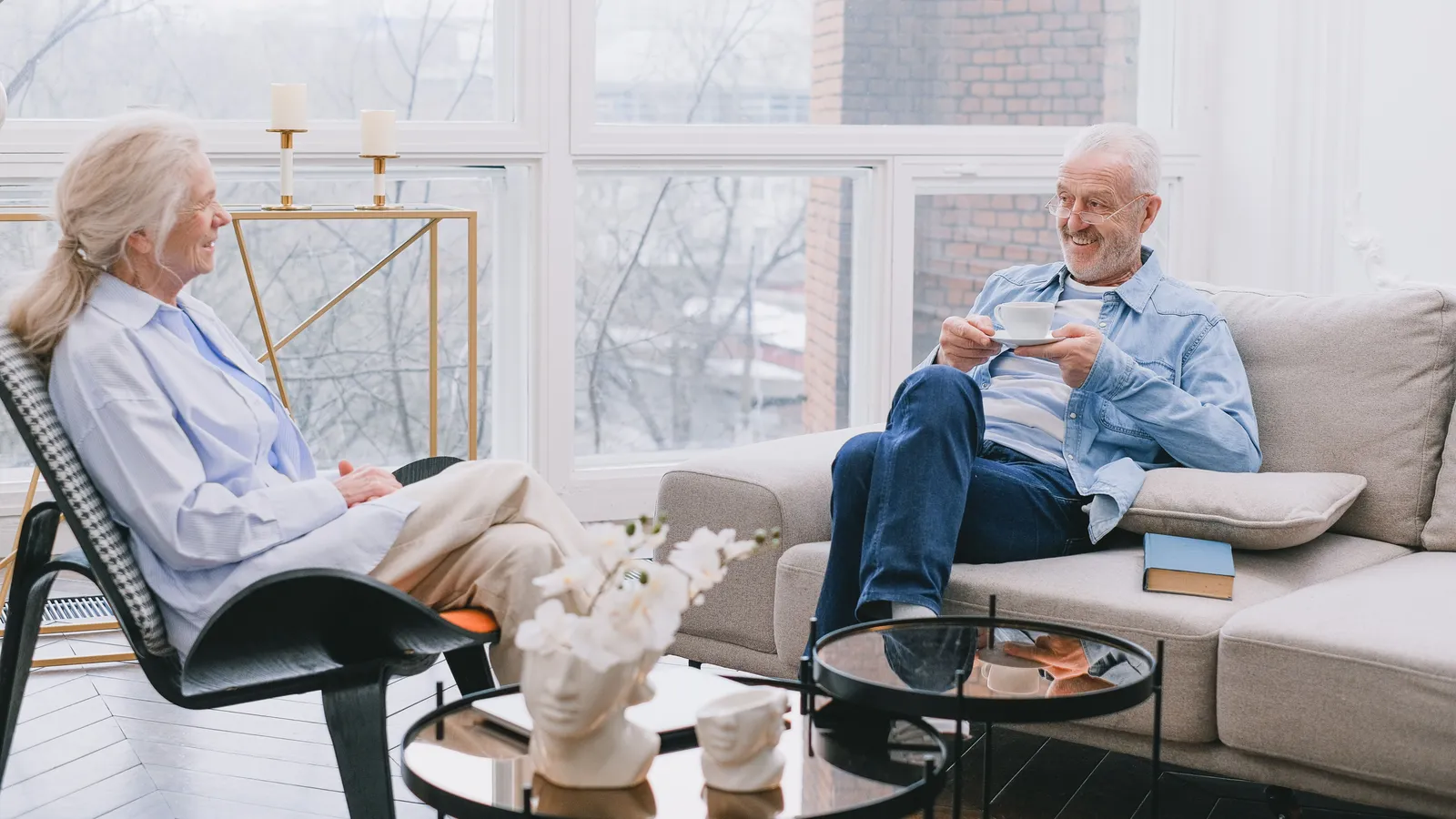
Fall and safety detection
A resident goes down in a corridor and the agent alerts the nearest caregiver in seconds, not at the next round. It tells a real fall apart from someone bending down, so the team stops chasing false alarms.
Relieve the care team
It handles the watching that wears staff down, filters out harmless events and routes each real alert to the right person, so caregivers spend their hours with residents instead of screens.
Comfort and energy together
It keeps every room warm, quiet and well lit for the people living there and still trims heating, cooling and lighting where no resident is affected.
Audit trail and registry
Every alert, action and override is logged in plain language and kept on your hardware, so the community can show families and regulators exactly what happened and when.
Privacy-safe vision
On device cameras and radar detect falls and wandering in real time, and the footage never leaves the building. The agent also speaks to nurse call, HVAC and building systems over standard buses like Modbus and BACnet, so nothing gets ripped out.
Fleet across communities
One community learns which nighttime setup causes the fewest incidents, and the fleet view rolls that setup out to every site with secure over the air updates, all managed from one place.
Watch it work on your own floor
Book a live demo on your own floor plan and see the agent catch a fall, filter a false alarm and explain every call in plain language. No footage leaves the room.
See it on a real floor
Book a walkthrough and watch the agent catch a simulated fall, filter a false alarm and explain the call, all running locally with no video leaving the room.
Book a live demoResident data never leaves the building
The agent runs entirely on the operator's own hardware. No cloud, no video streamed off site, and it keeps watching even when the internet drops. Every alert is logged and auditable, which matters when a community answers to families, owners and regulators.
- 100% local, no cloud dependency
- No cloud cameras, footage stays in the building
- Keeps watching through internet outages
- Works with existing nurse call and building systems
- Full audit trail of every alert and action
- Local execution and signed images, CRA hardening on the roadmap
Questions care operators ask
Do we have to put cameras in every room?
No. The agent works with privacy-safe sensing like radar and fall sensors, and where cameras are used the footage is processed on your hardware and never leaves the building. You choose what each space uses.
Does it replace our nurse call system?
No. It adds a decision layer on top of the nurse call, wearables and building systems you already have. It makes alerts smarter and faster, and the care team keeps full manual control.
Does it run without internet?
Yes. Everything runs locally on your own hardware, so the agent keeps detecting falls and alerting staff during outages and no resident data ever leaves the building.
How does it protect resident dignity?
All sensing and video stay on site, there are no cloud cameras and no footage streamed to outside servers. Residents and families keep control of private data, and every access is logged.
Will it reduce false alarms?
That is the goal. The agent learns each resident's normal rhythm and tells real emergencies apart from harmless movement, so staff chase fewer false alerts. The real effect is measured on your floor in a pilot, not promised.
How does it explain its decisions?
Ask why it raised an alert and it answers in plain language, backed by a full audit log. The care team sets the rules and can override any action at any time.
Built by a German engineering team, grown out of applied research at the Hahn-Schickard Institute in Villingen-Schwenningen. The edge agent runtime is open source under AGPL-3.0.
Give every resident a watchful, private safety net
Start a pilot on one floor, measure the real response times and false alarm rate on your own residents, and keep the care team in control the whole way.
Sources and notes
- 1Safety outcomes for senior living are qualitative by nature. There is no clean independent percentage, so response time, false alarm rate and staff load get measured on your own floor in a pilot, not promised.
- 2Faster response comes from local processing that alerts a caregiver in seconds instead of waiting for a manual round. The real effect depends on your layout and staffing and gets validated in a pilot.