
Ship smarter buildings without the cloud
A local AI decision layer you embed in your own product. It reads every sensor in the building, weighs energy, cost and carbon against each other and drives the equipment that is already installed. The operator stays in control the whole way.
100% local Works offline Explainable decisions Embeds in your product
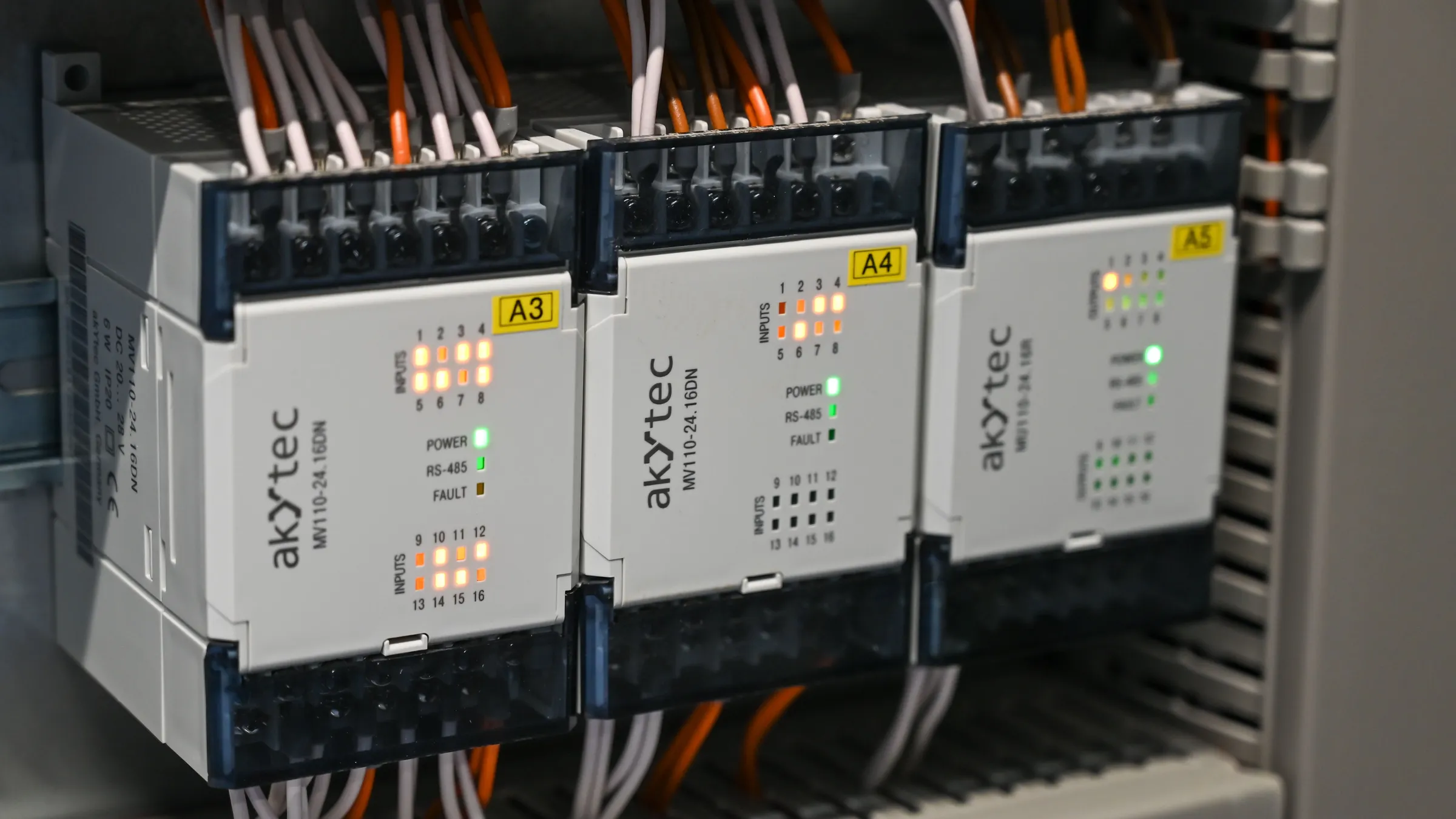 On-Device AgentRuns 100% locally on your hardwareTemperature and humidity
ForestHub gives building automation OEMs a local AI decision layer they embed in their own product. It sits on top of the BMS, PLC and sensors already in a commercial building and optimizes energy, operating cost and carbon at once, entirely on local edge hardware with no cloud. Every decision is logged and auditable, and the building keeps running when the internet drops.
Adding intelligence usually means the cloud
Operators want buildings that run themselves, so OEMs are pushed to bolt on smart features. Almost every option puts the smart part in a cloud service. That is a dealbreaker for owners who cannot let building data leave the site, cannot risk a dependency that fails when the link drops, and still have to hit tighter energy and carbon targets every year.

Cloud is a dealbreaker
Owners of hospitals, labs and government sites reject building data leaving the premises, and a cloud dependency that stops working during an outage is not an option for critical infrastructure.

Energy and carbon pressure
Commercial buildings are among the largest energy consumers, and reporting rules keep tightening, but fixed schedules and manual setpoints cannot react to price and weather in time.

Nothing optimizes the whole building
The BMS runs climate, the meter counts kilowatt hours and lighting runs on a timer. No layer coordinates all of them against operating cost and carbon at the same time.
Observe, plan and act, on your own hardware
The agent reads the building continuously, weighs the trade offs against the operator's targets and drives the actuators that are already installed over Modbus and OPC-UA. It plans ahead instead of only reacting, and it explains every move in plain language.
- 1
Look ahead
Tomorrow is cold and this evening power is expensive. The building has an event booked, so the agent pre heats gently while power is cheap, trims lighting in empty zones and shifts load off the peak.
- 2
Balance every goal at once
It lowers energy cost and carbon, holds comfort inside the operator's band and protects equipment at the same time, not one target after another.
- 3
Explain and stay in control
Ask why it shed load and it answers in plain language. Every decision is logged and auditable, and the operator sets the guardrails and can override any action.
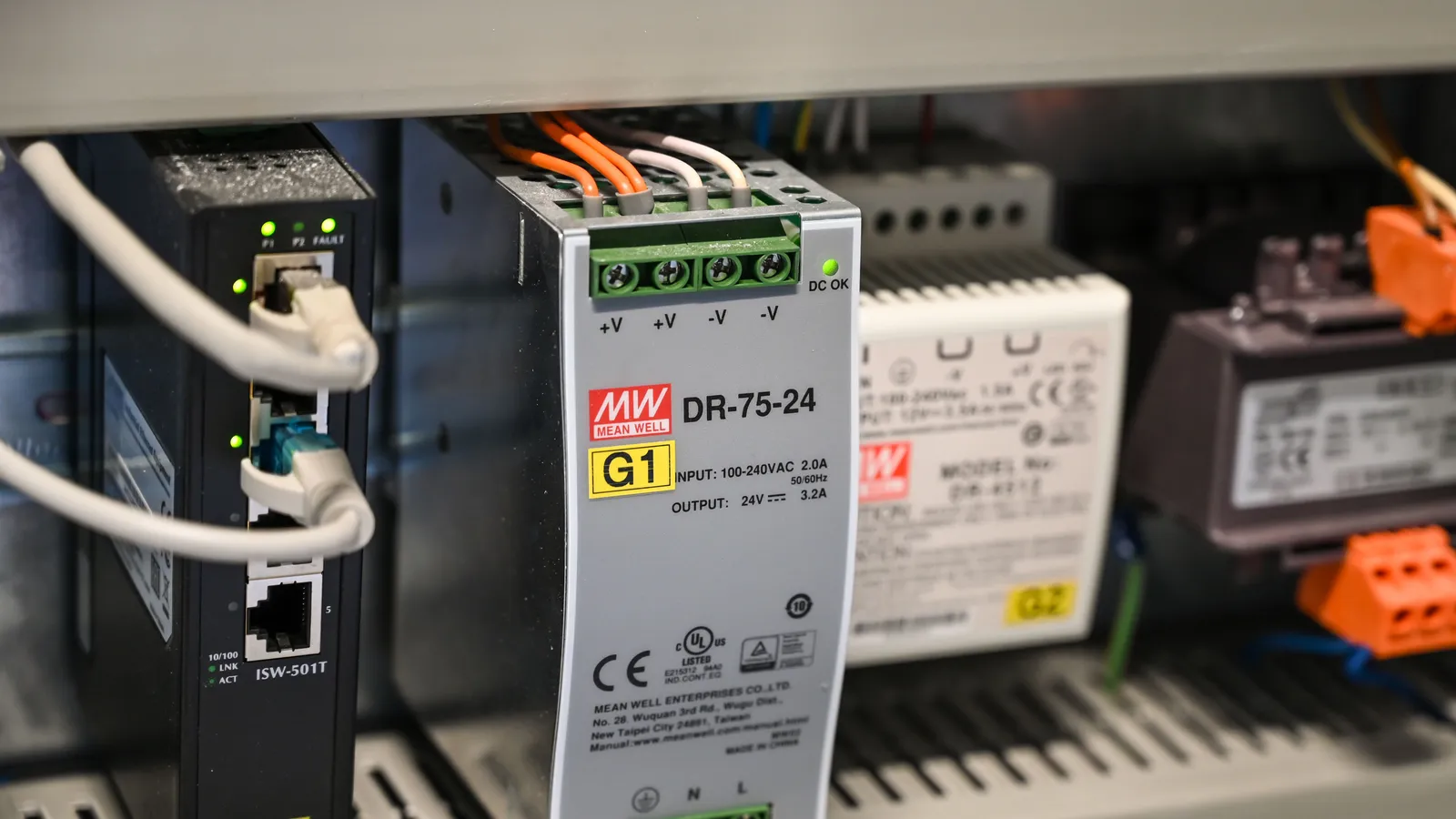 On-Device AgentTemperature and humidity
Optimize energy, cost and carbon together
Owners do not buy a smart building, they buy a number that gets better. The agent optimizes the numbers that move operating cost and the carbon report. The ranges below come from independent analysis for this technology category.
One agent, the whole building

Energy optimization
Predictive, price aware control of HVAC, lighting and ventilation. The agent forecasts weather, occupancy and power price and schedules moves ahead of time, so a building your product runs cuts energy cost and carbon without anyone touching a setpoint.
Safety and alarms
It watches for faults, leaks and alarm conditions and flags them in seconds, not on the next inspection round. Fewer false alarms, a clear reason for every alert and a full audit trail the operator can hand to owners and regulators.
Operations and uptime
Continuous commissioning catches drift and stuck dampers before they waste energy or comfort. It keeps equipment inside its efficient band, which protects uptime and lowers operating cost across the building.
Audit trail and registry
Every decision is logged with the reason behind it, and an agent registry tracks which agent runs where. That traceability is what lets an operator trust an autonomous system in a regulated building.
Vision and industrial bus
On device cameras read occupancy and safety without sending images anywhere, and the agent speaks Modbus and OPC-UA to the controllers and actuators already installed. It drives existing equipment instead of replacing it.
Fleet and OTA
Manage a whole portfolio from one place. Find the strategy that runs building 7 on less energy than building 4, roll it out everywhere and push signed over the air updates to the fleet.
See it running on a real building
Book a live demo and watch the local agent optimize energy, cost and carbon on real building data, with no cloud in the loop. Then run a pilot on one of your sites and measure the real numbers.
See it on a real building
Book a live demo of the local decision layer running on real building data, no cloud, and start a pilot on one of your sites.
Talk to usBuilding data never leaves the site
The agent runs entirely on local edge hardware inside the building. No cloud, no data leaving the site, and it keeps optimizing even when the internet drops. Every action is logged and auditable, which matters when the operator answers to owners and regulators.
- 100% local, no cloud dependency
- Keeps optimizing through internet outages
- Works with the existing BMS, PLC and sensors
- Full audit trail of every decision
- Explainable, not a black box
- Local execution and signed images, CRA hardening on the roadmap
Questions building automation OEMs ask
Do we have to send building data to the cloud?
No. Everything runs on local edge hardware inside the building, so plant, occupancy and energy data never leave the site and there is no cloud dependency that can fail during an outage.
Does it work with the BMS and controllers we already ship?
Yes. The agent speaks Modbus and OPC-UA and sits on top of the existing BMS, PLC and sensors. It coordinates what is already installed and full manual control stays with the operator.
How much energy can it actually save?
Independent NREL analysis reported via 75F points to meaningful ranges for building and HVAC energy. We do not promise a fixed number. The real figure gets measured in a pilot on your building.
Can we embed it in our own product?
Yes. It is a local decision layer built to run on edge hardware inside your product, so you ship a smarter building under your own brand without standing up a cloud.
What happens when the internet drops?
It keeps optimizing. Because the agent runs locally, the building keeps hitting its energy and comfort targets during outages, and nothing depends on a remote service.
Is it ready for EU security regulation?
It is designed for EU Cyber Resilience Act readiness by design, with local execution, a full audit trail and signed images. The team sets the guardrails and can override any action at any time.
Built by a German engineering team, grown out of applied research at the Hahn-Schickard Institute in Villingen-Schwenningen. The edge agent runtime is open source under AGPL-3.0.
Put an operations expert in every building
Talk to us about embedding the local decision layer in your product, run a pilot on one site, measure the real numbers and keep the operator in control the whole way.
Explore more
Sources and notes
- 1Energy: NREL analysis reported via 75F finds smart building automation can cut building energy by up to about 31 percent. Results depend on the building and its starting point and get validated in a pilot, not promised.
- 2HVAC: the same NREL analysis reports up to about 42 percent savings on HVAC energy. Strongly building and system dependent, measured in a pilot, not promised.