
A greenhouse climate that protects yield and saves energy
A classic controller reacts when one number crosses a line. A local AI reads temperature, humidity, CO2 and the weather forecast together, then plans venting, shading and screens hours ahead to protect yield at lower energy. The team stays in control the whole way.
100% local Works offline Plans ahead, not just reacts Keeps your climate computer

AI greenhouse climate control is a local decision layer that manages temperature, humidity, CO2, venting, shading and screens together. Where a classic controller reacts to a single threshold, it plans ahead against several goals at once, yield, energy, disease pressure and plant stress, using weather and price forecasts. It runs entirely on the operator's own hardware with no cloud, keeps working when the internet drops, and sits on top of the existing climate computer instead of replacing it.
Single rules cannot balance a climate
A classic climate controller works on thresholds. If the temperature goes above 25 C, open the window. Each rule looks at one number in isolation, so opening a vent to drop heat also lets humidity and disease pressure climb, and heating to fix that burns energy. Nobody weighs temperature, humidity, CO2 and energy against yield at the same time.
- 01
Rules react too late
Thresholds only fire after a number crosses the line, so a hot afternoon or a humidity spike is already hurting the crop before the controller responds.
- 02
One rule undoes another
Venting to cool the house raises humidity and heat demand. Every fix creates a new problem because each setpoint is tuned on its own.
- 03
No plan for what is coming
Fixed schedules and thresholds ignore the weather forecast and power prices, so the climate is never set up for a hot day or a cheap power window.
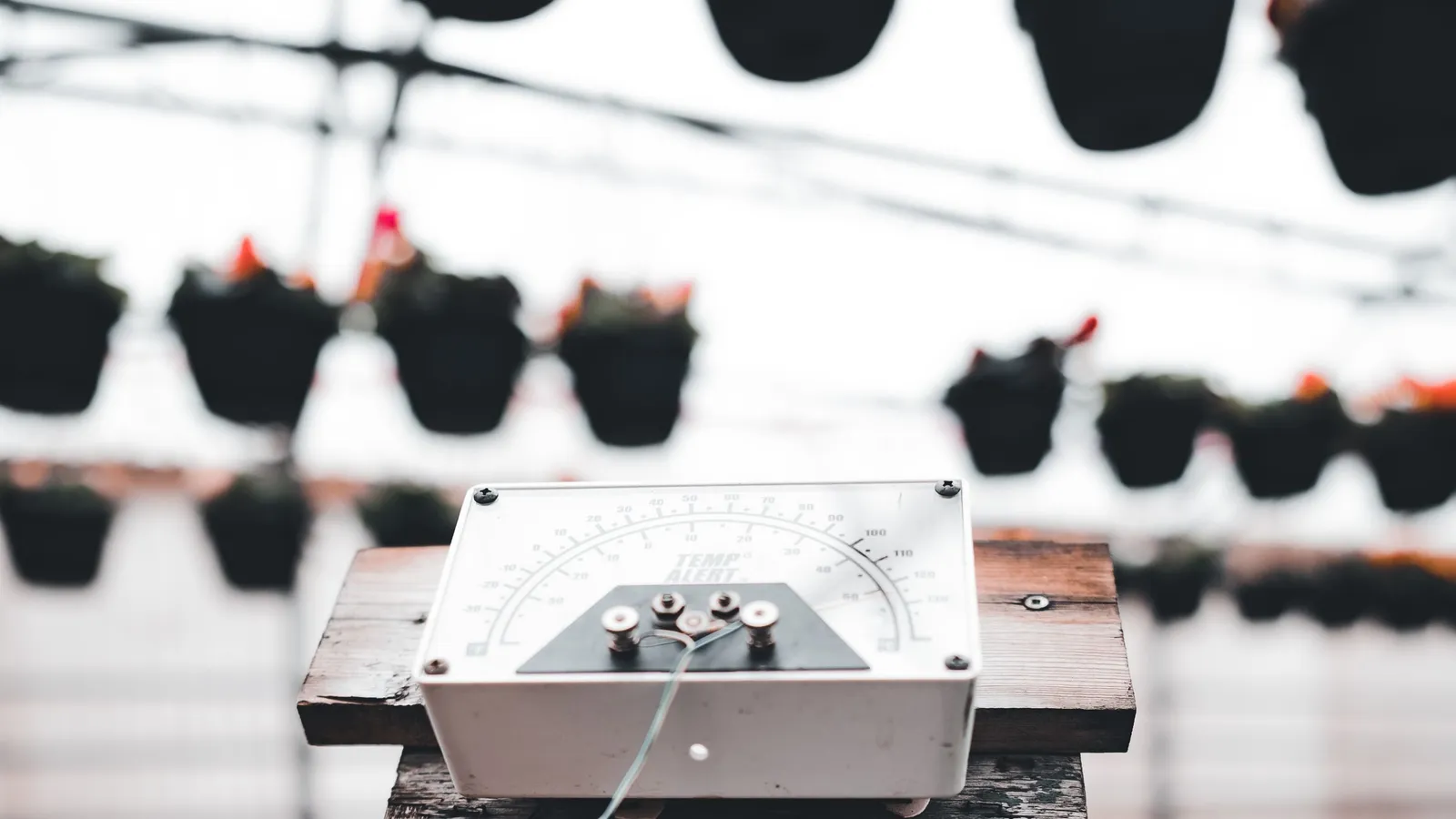
Observe the whole climate, plan, act, on your own hardware
The agent reads every climate input continuously, weighs the trade offs against the operator's targets and drives the vents, screens and heating that are already installed. It plans hours ahead instead of reacting to a single threshold, and it explains every move in plain language.
- 1
Look ahead
A hot afternoon is coming. The agent pre cools overnight while power is cheap, positions screens to hold warmth where it helps and manages humidity ahead of time, so the house is already set before the heat arrives.
- 2
Balance climate against energy and disease
It weighs temperature, humidity and CO2 against energy cost and disease pressure at once. Venting to cool is checked against the humidity and heat it creates, so no single goal wins at the expense of the others.
- 3
Explain and stay in control
Ask why it deployed a screen and it answers in plain language. Every decision is logged and auditable, and the team sets the guardrails and can override any action.
Observes
On-Device Agent
Runs 100% locally on your hardware
Acts
Better climate, lower energy, protected yield
The goal is not the coldest house or the cheapest energy bill. It is the best economic yield from the whole climate. The ranges below come from independent studies for this technology category.
One climate, planned as a whole
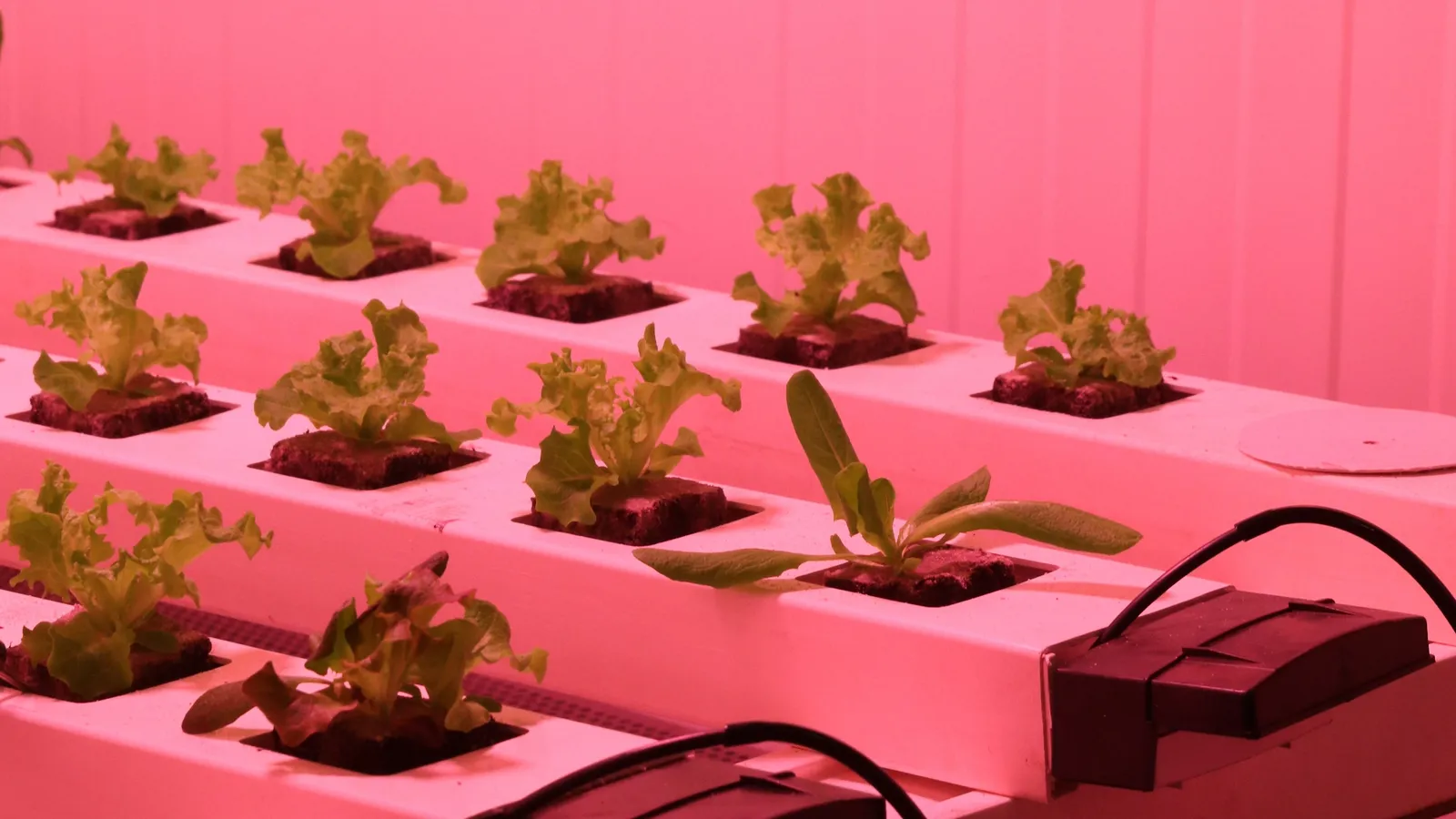
Multi objective planning
Instead of one rule per setpoint, the agent optimizes temperature, humidity, CO2, venting, shading and screens together against yield, energy and disease. It plans hours ahead from the weather and price forecast, so the climate is set in advance rather than chasing thresholds after the fact.
Predictive pre cooling and pre heating
A hot afternoon or a cold night is coming, so it acts early while power is cheap instead of fighting the extreme once it arrives.
Humidity and disease management
It holds the vapor pressure deficit in the safe band and lowers disease pressure without simply venting away heat and energy.

Vision on device
On device cameras with computer vision watch for condensation, wilting and disease, and the images never leave the greenhouse.
Explainable AI
Ask why it deployed a screen or vented and it answers in plain language, so growers can trust and audit every decision.
Works with your climate computer
It coordinates the existing climate computer, PLC and sensors rather than replacing them, and the team keeps full manual control.
Watch the climate loop make a call
See how the agent reads the forecast, weighs the trade offs and plans venting, shading and screens in a live demo on a real climate loop.
See the climate control loop in action
Book a walkthrough of the decision loop on your own climate setup. Watch it plan ahead against temperature, humidity, CO2 and energy, and explain every move in plain language.
Book a live demoYour climate data never leaves the greenhouse
The agent runs entirely on the operator's own hardware. No cloud, no data leaving the building, and it keeps controlling the climate even when the internet drops. Every action is logged and auditable, which matters when the operation answers to owners and regulators.
- 100% local, no cloud dependency
- Keeps controlling the climate through internet outages
- Works with the existing climate computer and PLC
- Full audit trail of every decision
- Explainable, not a black box
- Local execution and signed images, CRA hardening on the roadmap
Questions greenhouse operators ask
What is the difference from our climate computer?
A climate computer follows setpoints and thresholds you configure. The agent adds a layer on top that plans ahead against yield, energy and disease at once, sends the moves to the climate computer and explains each one. Your climate computer stays, and the team keeps full manual control.
How is this different from a normal thermostat or rule?
A rule reacts to one number crossing a line, like open the vent above 25 C. The agent weighs temperature, humidity, CO2 and energy together and plans hours ahead from the weather and price forecast, so it prevents the problem instead of reacting to it.
Does it run without internet?
Yes. Everything runs locally on your own hardware, so the agent keeps controlling the climate during outages and no plant or energy data ever leaves the greenhouse.
How much energy can it really save?
Independent studies for data driven greenhouse climate control report meaningful energy ranges, and the Wageningen challenge showed AI control matching expert growers at lower input per kilo. We do not promise a fixed number. The real figure gets measured in a pilot.
Can we keep manual control?
Yes. The team sets the guardrails and can override any action at any time. Every decision is logged in plain language, so you can see why it vented, shaded or deployed a screen.
Does it handle humidity and disease, not just temperature?
Yes. It keeps the vapor pressure deficit in a safe band and manages humidity and screens to lower disease pressure, balanced against the energy that would otherwise be spent venting and reheating.
Built by a German engineering team, grown out of applied research at the Hahn-Schickard Institute in Villingen-Schwenningen. The edge agent runtime is open source under AGPL-3.0.
Give every greenhouse a climate that plans ahead
Start a pilot on one house, measure the real climate and energy numbers on your crop, and keep the team in control the whole way.
Explore more
The local decision layer that optimizes energy, water, fertilizer and yield across the whole operation.
Crop monitoringOn device vision that spots disease, ripeness and pests in real time, images stay in the greenhouse.
Why local AIHow on device agents keep data in the building and running offline.
Sources and notes
- 1Energy: Wageningen Next Generation Growing, reported via HortiDaily, measured against conventional greenhouse practice. Results depend on the starting point and get validated in a pilot, not promised.
- 2Yield: Wageningen Autonomous Greenhouse Challenge, where AI climate control matched or beat expert growers at the lowest water and energy per kilo. Results depend on crop and setup and get validated in a pilot.