
Grow more with less energy, water and guesswork
A local AI watches every sensor in the greenhouse around the clock, understands how the settings pull against each other and proposes the moves that protect yield. The team stays in control the whole way.
100% local Works offline Explainable decisions Keeps your climate computer
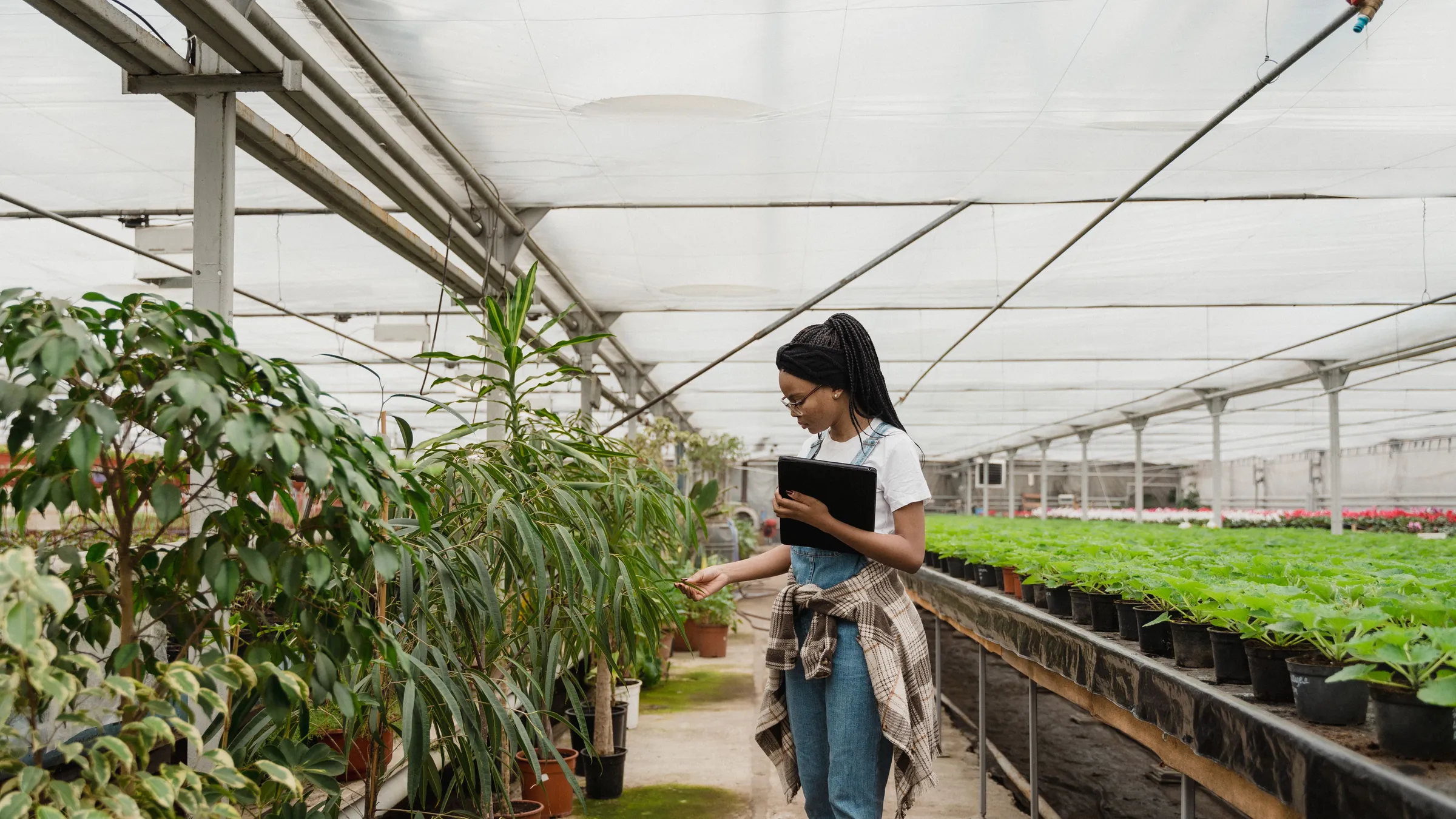 On-Device AgentRuns 100% locally on your hardwareTemperature and humidity
Greenhouse AI is a local decision layer that sits on top of an existing climate computer, PLC and sensors. It optimizes energy, water, fertilizer and yield at the same time instead of one variable at a time, runs entirely on the operator's own hardware with no cloud, and keeps working when the internet drops. It does not replace what is already installed. It adds an intelligent layer that coordinates existing systems toward business goals.

Hundreds of settings that fight each other
A modern greenhouse has hundreds of adjustable variables and they all influence one another. More light lifts yield but raises power cost. More venting cuts disease pressure but drives up heating. Today the climate computer optimizes climate and the irrigation optimizes water. Nobody optimizes the whole operation against profit.
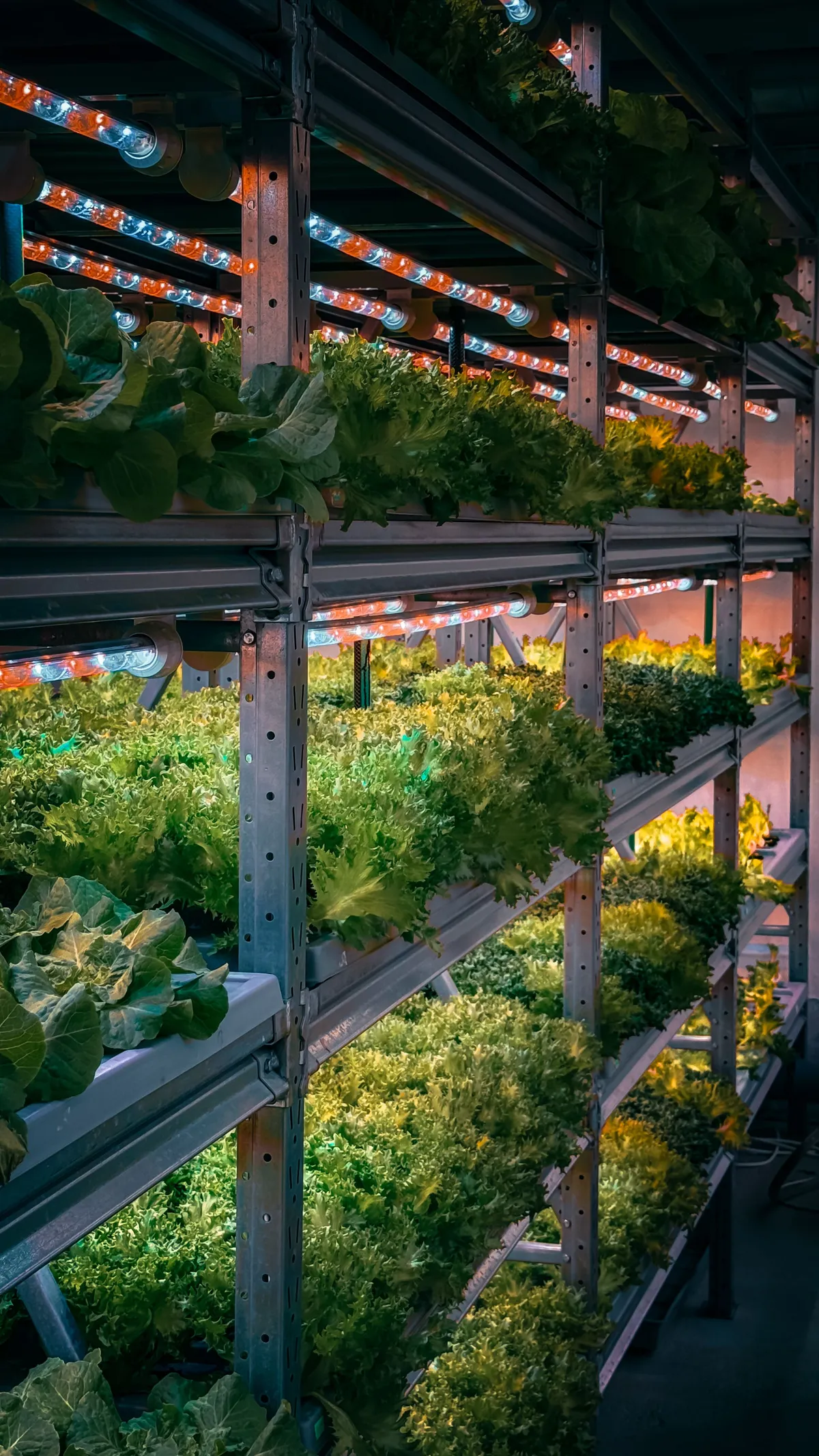
Rising energy cost
Heating, lighting and dehumidification move with volatile power prices, and fixed schedules cannot react in time.
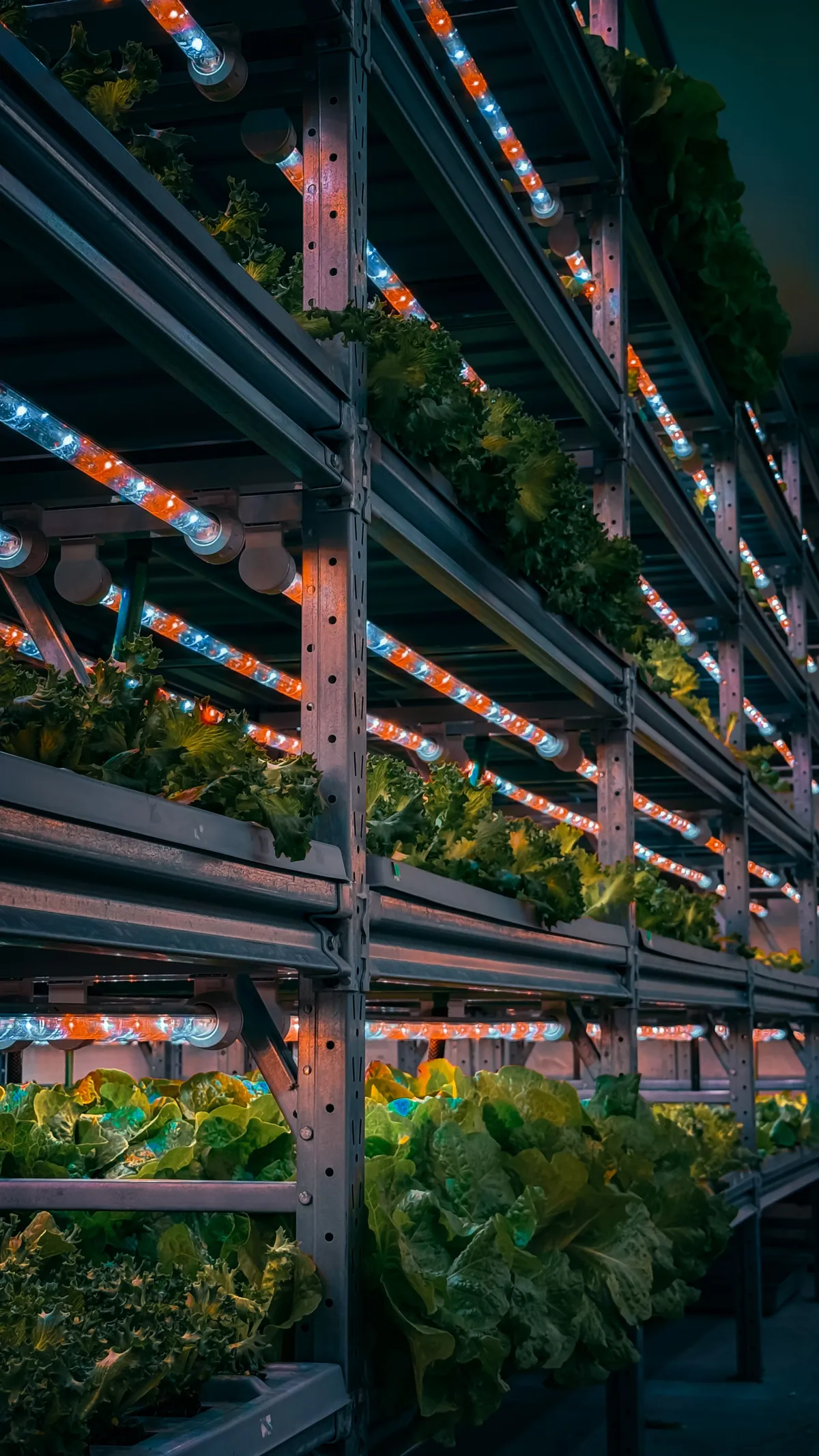
Skilled staff is scarce
Experienced growers are hard to find, and manual control rounds do not scale across large or multi site operations.
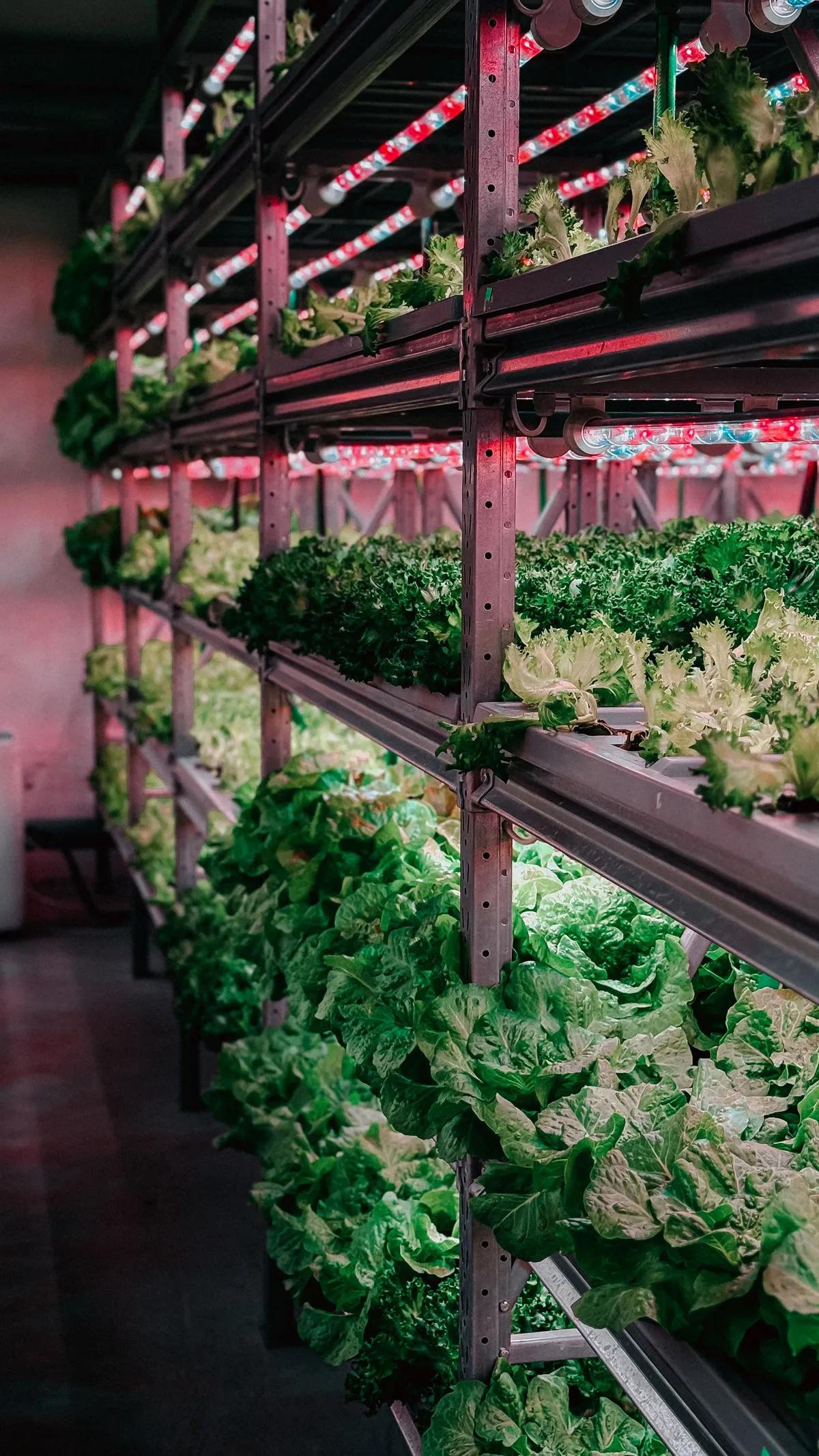
Inputs tuned by hand
Irrigation, fertilizer and CO2 dosing are set manually and rarely balanced against yield and cost together.
Observe, plan and act, on your own hardware
The agent reads the sensors continuously, weighs the trade offs against the operator's targets and drives the actuators that are already installed. It plans ahead instead of only reacting, and it explains every move in plain language.
- 1
Look ahead
Tomorrow will be hot and tonight power is cheap. The crop is in a sensitive phase, so the agent pre heats gently overnight, shifts irrigation and opens the vents earlier in the morning.
- 2
Balance every goal at once
It lifts yield, lowers energy, water and fertilizer, keeps CO2 under the limit and protects the plants at the same time, not one target after another.
- 3
Explain and stay in control
Ask why it vented and it answers in plain language. Every decision is logged and auditable, and the team sets the guardrails and can override any action.
Observes
On-Device Agent
Runs 100% locally on your hardware
Acts
Optimize for profit per square meter
Operators do not want the lowest energy bill. They want the highest economic yield. The agent optimizes the numbers that move the P&L. The ranges below come from independent studies for this technology category.
One agent, the whole operation
Self diagnosis
Water use is climbing, so a valve is probably stuck. The agent surfaces the likely cause before it turns into a loss, and opens a maintenance task.
Planning, not reacting
It forecasts weather, power prices and crop stage and schedules moves hours ahead instead of chasing thresholds after the fact.
Learning
It notices that a variety grows better at 23.5 C than at 22 C and adapts its strategy to the actual crop and house.
Vision
On device cameras with computer vision spot wilting leaves, disease, ripeness and pests in real time, and the images never leave the greenhouse.
Explainable AI
A voice assistant answers why it acted in plain language, so growers can trust and audit every decision.
Fleet across sites
House 7 grows with less energy than house 4. The fleet view finds that strategy and rolls it out everywhere from one place.
What could the ranges mean here
Enter an annual energy spend and see the saving range independent studies report for this category. The real figure gets measured in a pilot, never guessed.
Typical benchmark range
5-20%
Estimated annual saving
€20,000 - €80,000/ year
Range based on Wageningen Next Generation Growing (energy vs conventional greenhouse practice), reported via HortiDaily. Results depend on the starting point and get validated in a pilot, not promised.
Your data never leaves the greenhouse
The agent runs entirely on the operator's own hardware. No cloud, no data leaving the building, and it keeps optimizing even when the internet drops. Every action is logged and auditable, which matters when the operation answers to owners and regulators.
- 100% local, no cloud dependency
- Keeps optimizing through internet outages
- Works with the existing climate computer and PLC
- Full audit trail of every decision
- Explainable, not a black box
- Local execution and signed images, CRA hardening on the roadmap
Questions greenhouse operators ask
Do we have to replace our climate computer?
No. The agent adds a decision layer on top of the existing climate computer, PLC and sensors. It coordinates what is already installed toward energy, water and yield goals, and full manual control stays with the team.
Does it run without internet?
Yes. Everything runs locally on your own hardware, so the agent keeps optimizing during outages and no plant or energy data ever leaves the greenhouse.
How much can we actually save?
Independent studies for this category report meaningful ranges for energy, water and fertilizer, and the Wageningen challenge showed AI control matching expert growers at lower input per kilo. We do not promise a fixed number. The real figure gets measured in a pilot.
Can it see plant health?
Yes. On device cameras with computer vision detect wilting, disease, ripeness and pests in real time, and the images stay on your hardware.
How does it explain its decisions?
Ask why it vented or pre heated and it answers in plain language, backed by a full audit log. The team sets the guardrails and can override any action at any time.
Does it work across several sites?
Yes. A fleet view compares houses and sites, finds the strategy that grows with the least energy and rolls it out everywhere from one place.
Built by a German engineering team, grown out of applied research at the Hahn-Schickard Institute in Villingen-Schwenningen. The edge agent runtime is open source under AGPL-3.0.
Put an operations expert in every greenhouse
Start a pilot on one house, measure the real numbers on your crop and your energy contract, and keep the team in control the whole way.
Sources and notes
- 1Energy: Wageningen Next Generation Growing, reported via HortiDaily, measured against conventional greenhouse practice. Results depend on the starting point and get validated in a pilot.
- 2Water: EPA WaterSense (at least 20%) and a peer reviewed MDPI Agriculture review (20 to 35%) for sensor guided precision irrigation. Strongly crop and method dependent.
- 3Yield: Wageningen Autonomous Greenhouse Challenge, where AI climate control matched or beat expert growers at the lowest water and energy per kilo.