
Grow more with less water and fertilizer
A local AI watches soil moisture, EC and pH around the clock, waters and doses on real plant demand instead of a timer, and balances water and fertilizer against yield and cost. The team stays in control the whole way.
100% local Works offline Explainable decisions Keeps your irrigation controller
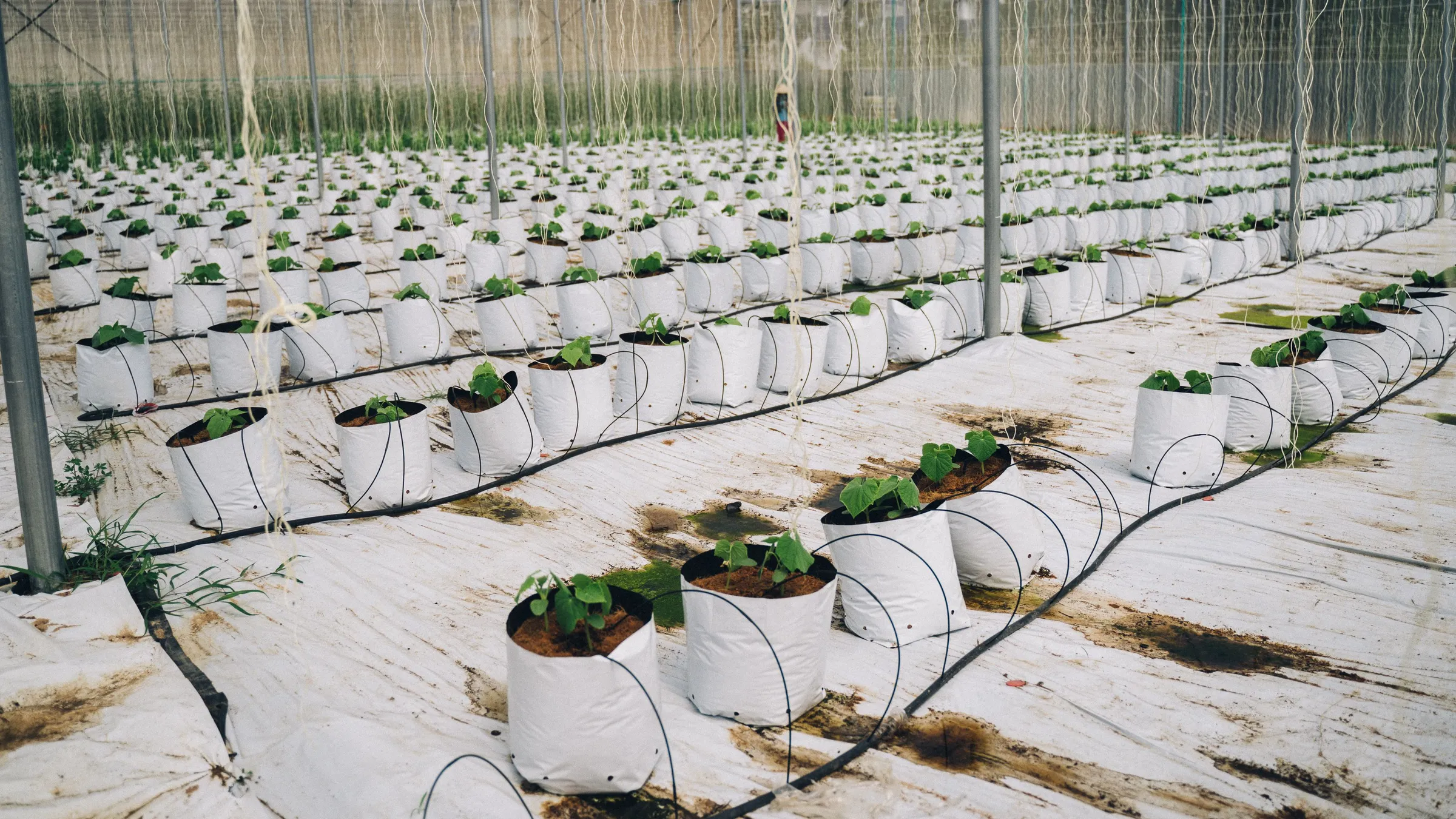 On-Device AgentRuns 100% locally on your hardwareSoil moisture
Smart greenhouse irrigation with ForestHub is a local decision layer that sits on top of the existing irrigation controller, valves and sensors. It waters and doses fertilizer on real plant demand from soil moisture, EC, pH and crop stage instead of a fixed timer, and balances water and fertilizer against yield and cost. It runs entirely on the operator's own hardware with no cloud and keeps working when the internet drops. It does not replace what is installed, it adds an intelligent layer that drives the lowest water and fertilizer per kilo produced.
Watering by the clock wastes water and yield
Most greenhouses still irrigate on a fixed schedule. The timer does not know that today is cloudy, that the crop just moved into a sensitive stage, or that a valve is stuck. So plants get water they do not need and miss it when they do, expensive fertilizer runs off with the drain, and nobody balances water and nutrient against yield and cost.
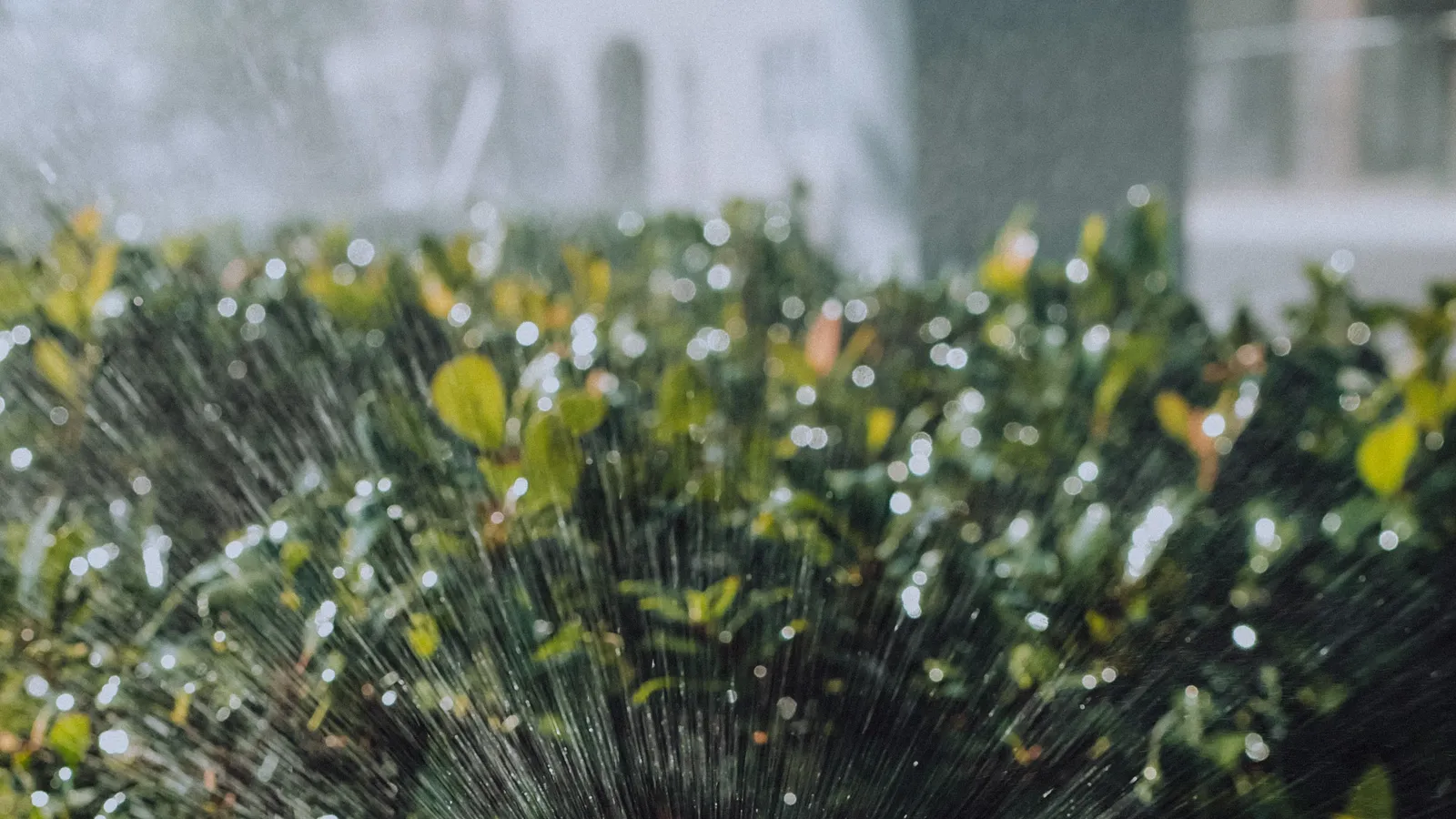
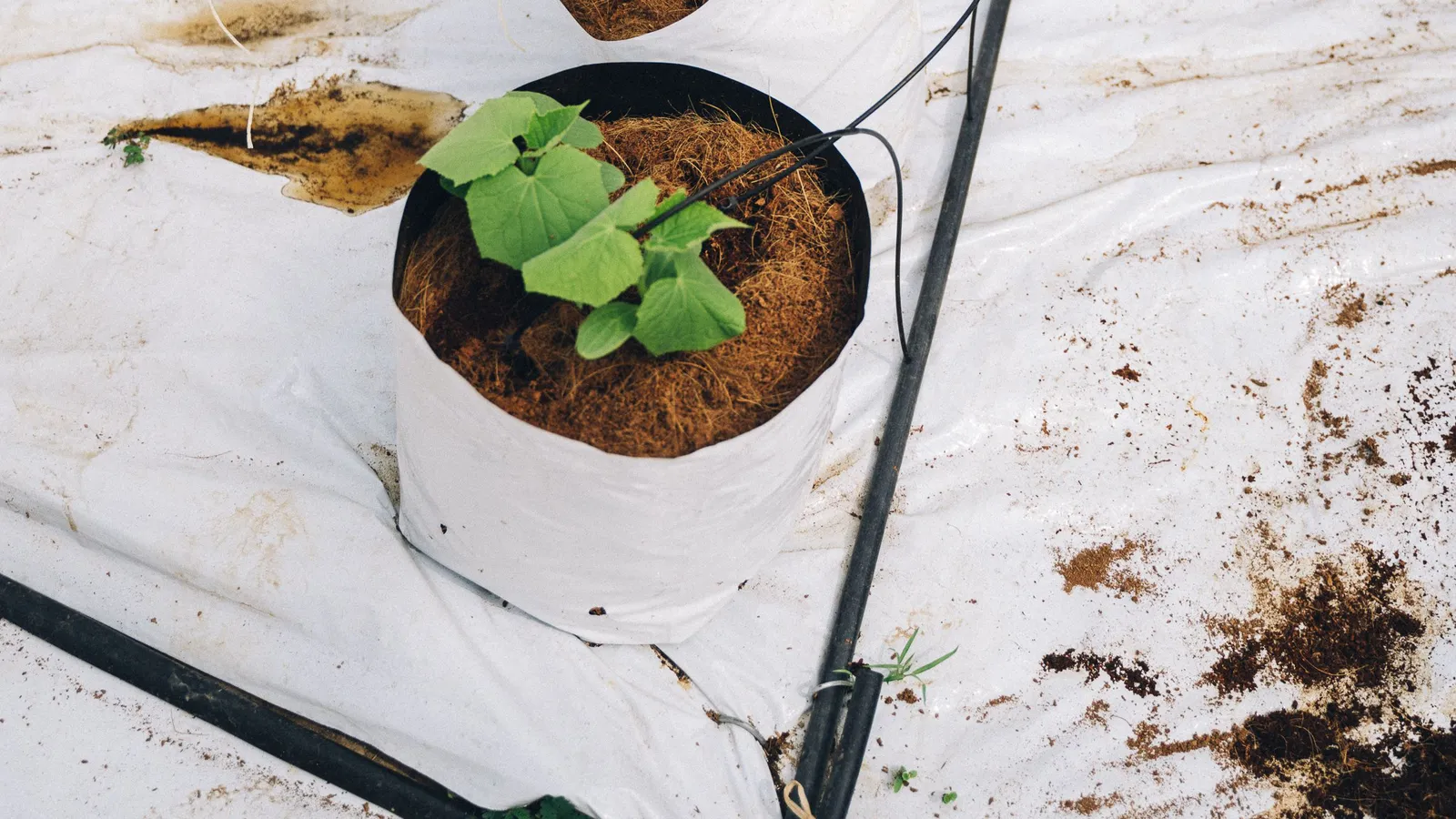
Water and fertilizer run to drain
A fixed schedule overwaters on cool days, and the excess drains away carrying costly fertilizer with it.
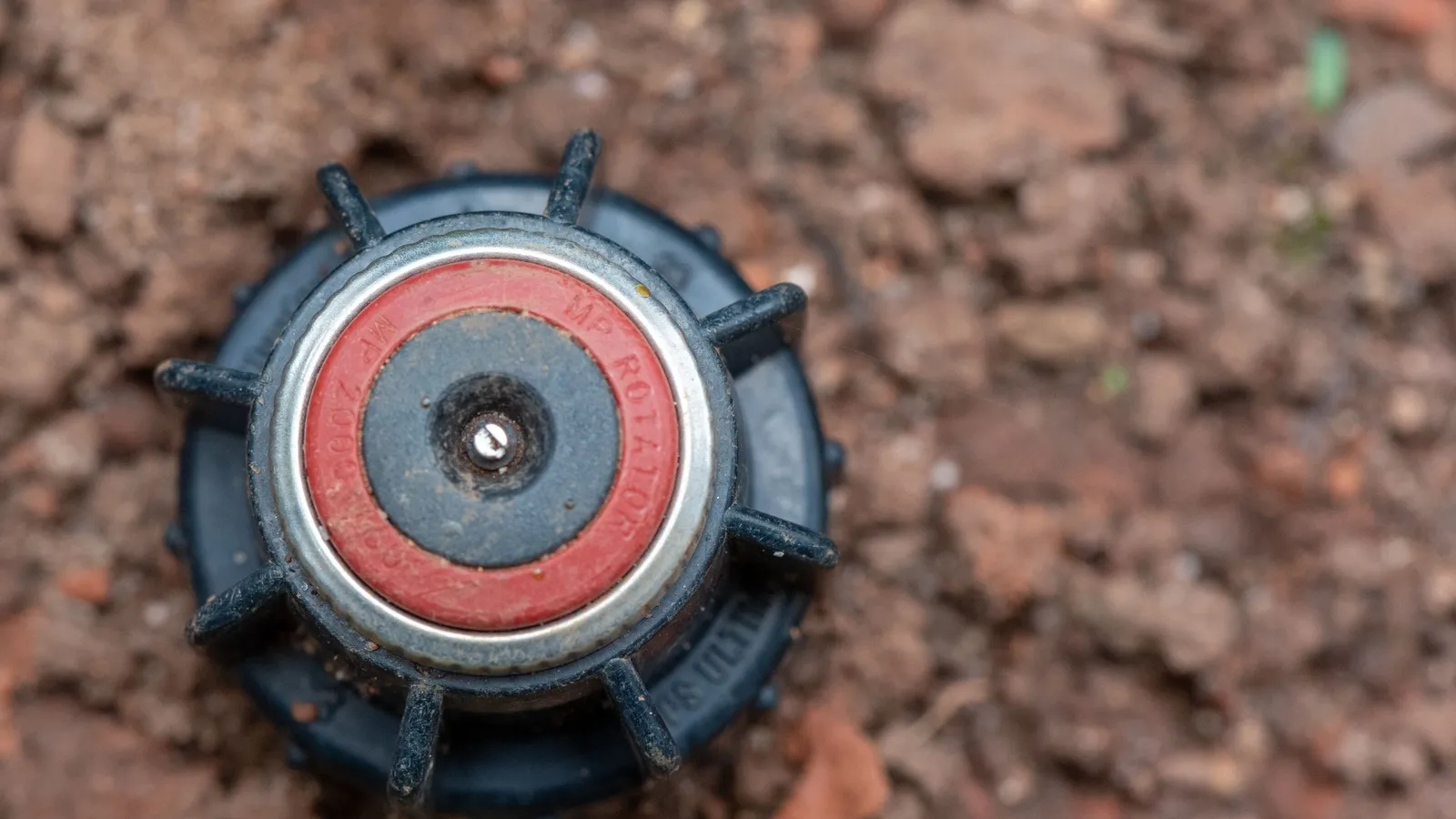
Dosing tuned by hand
EC and pH are set manually and rarely balanced against yield and cost together, so nutrient either overshoots or falls short.
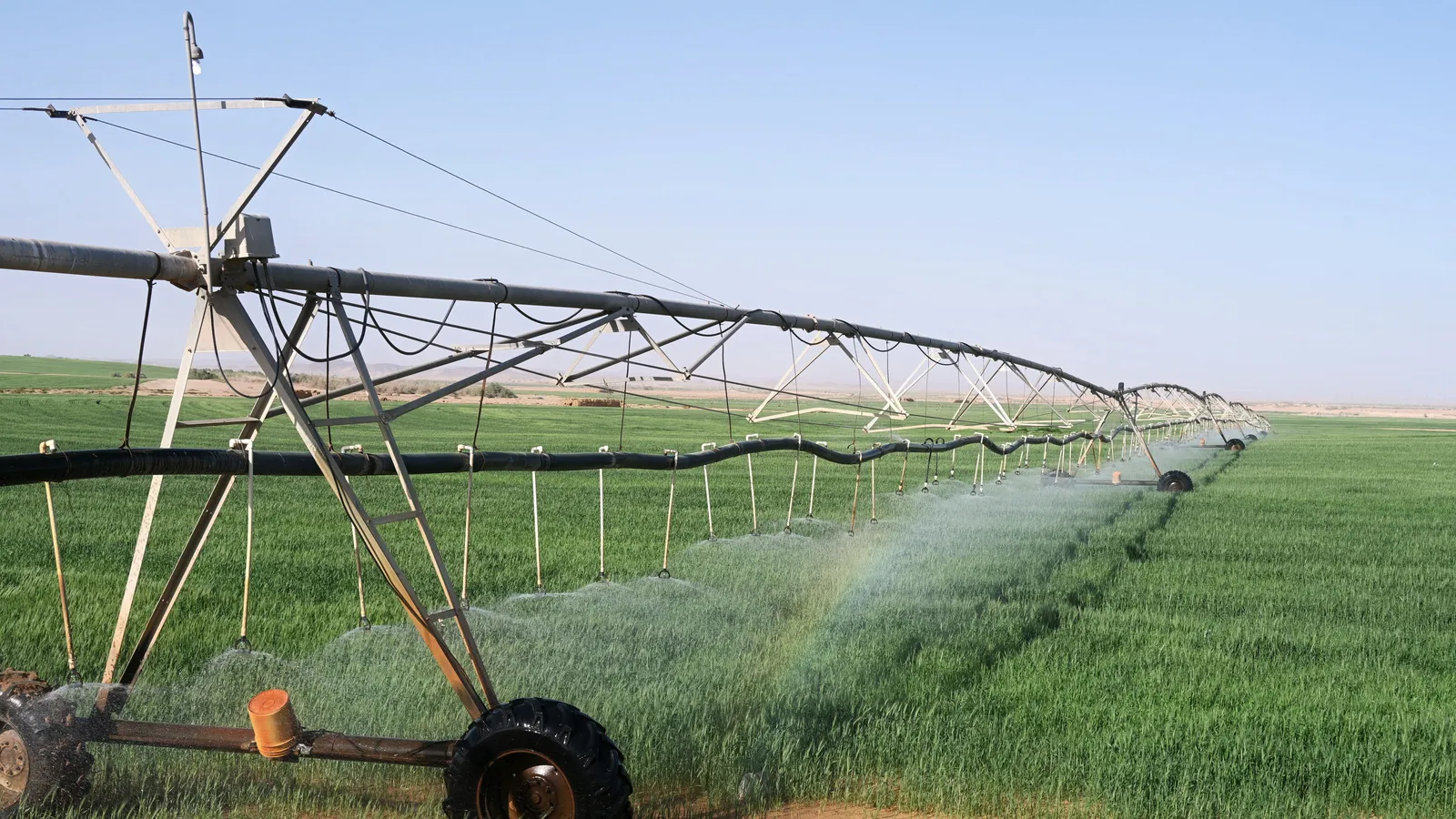
Problems surface late
A leak, a clogged dripper or a stuck valve shows up on the water bill days later, not the moment it happens.
Observe, plan and act, on your own hardware
The agent reads soil moisture, EC, pH and drain continuously, weighs water and fertilizer against the operator's yield and cost targets and drives the valves and dosing that are already installed. It waters on demand instead of on the clock, and it explains every move in plain language.
- 1
Water on demand, not the clock
Soil moisture is still high and the crop is in an early stage, so the agent holds the next dose. When the plants actually need water, it opens the right valves for the right zone.
- 2
Balance water and fertilizer against yield
It doses EC and pH to what the crop needs at this stage, lowers water and fertilizer per kilo, and captures drain for recirculation instead of running it off.
- 3
Explain and stay in control
Ask why it held irrigation and it answers in plain language. Every decision is logged and auditable, and the team sets the guardrails and can override any action.
 On-Device AgentSoil moisture
Optimize for water and fertilizer per kilo
Operators do not want the driest crop. They want the most yield from the least water and fertilizer. The agent optimizes the numbers that move the P&L: water per kilo, fertilizer per kilo, drain fraction and yield per square meter. The ranges below come from independent studies for this technology category.
One agent for water and nutrient
Demand based watering and dosing
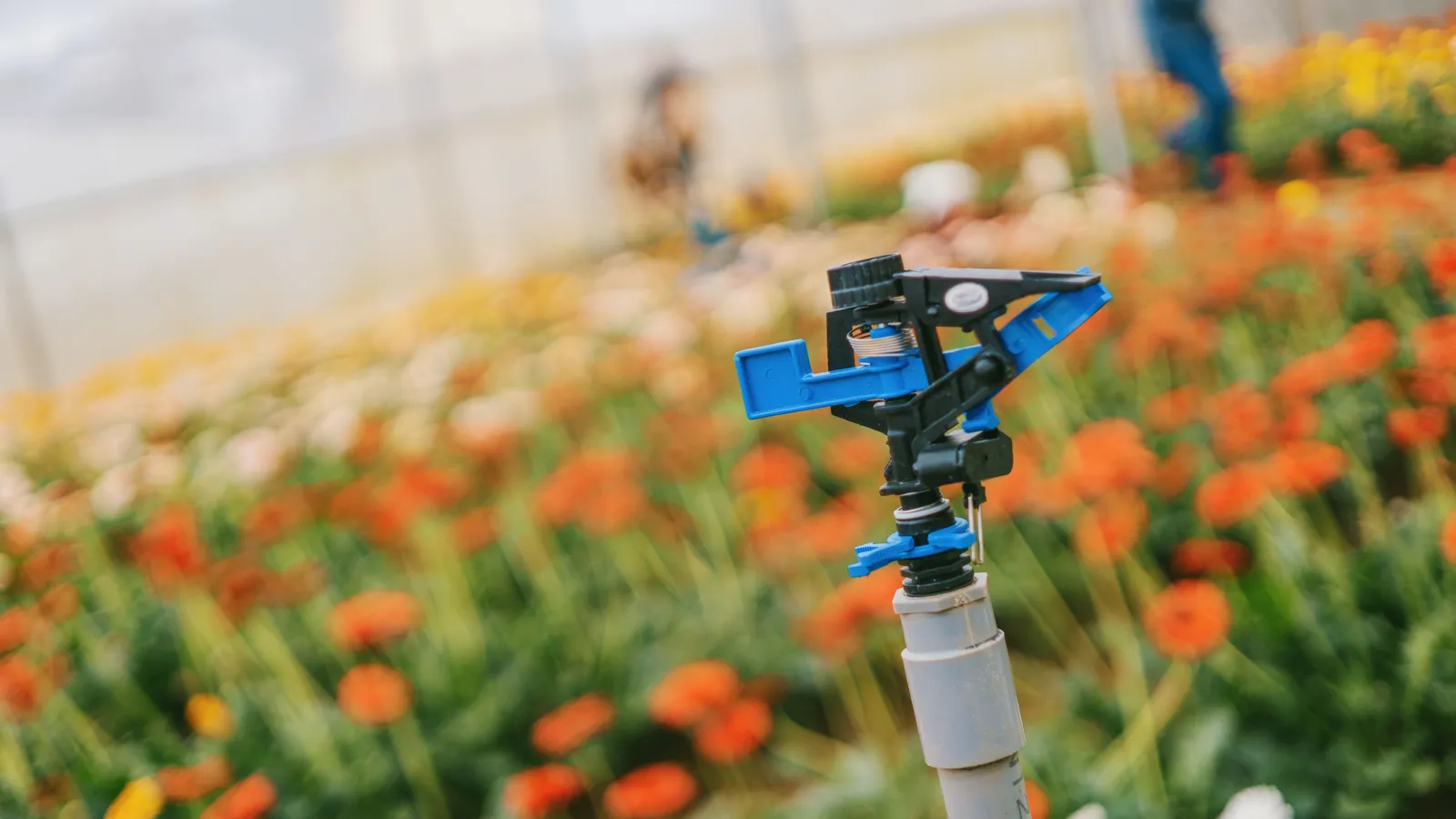
Soil moisture, EC, pH and crop stage drive the next dose, not a fixed timer. The agent waters the right zone at the right moment and doses nutrient to what the crop needs, so water and fertilizer per kilo drop.
Leak and valve self diagnosis
Water use is climbing on one zone, so a dripper is probably clogged or a valve is stuck. The agent surfaces the likely cause before it turns into a loss, and opens a maintenance task.
Drain and recirculation
It captures drain water, checks EC and pH and recirculates it instead of running it off, which cuts both water and fertilizer use.
Planning, not reacting
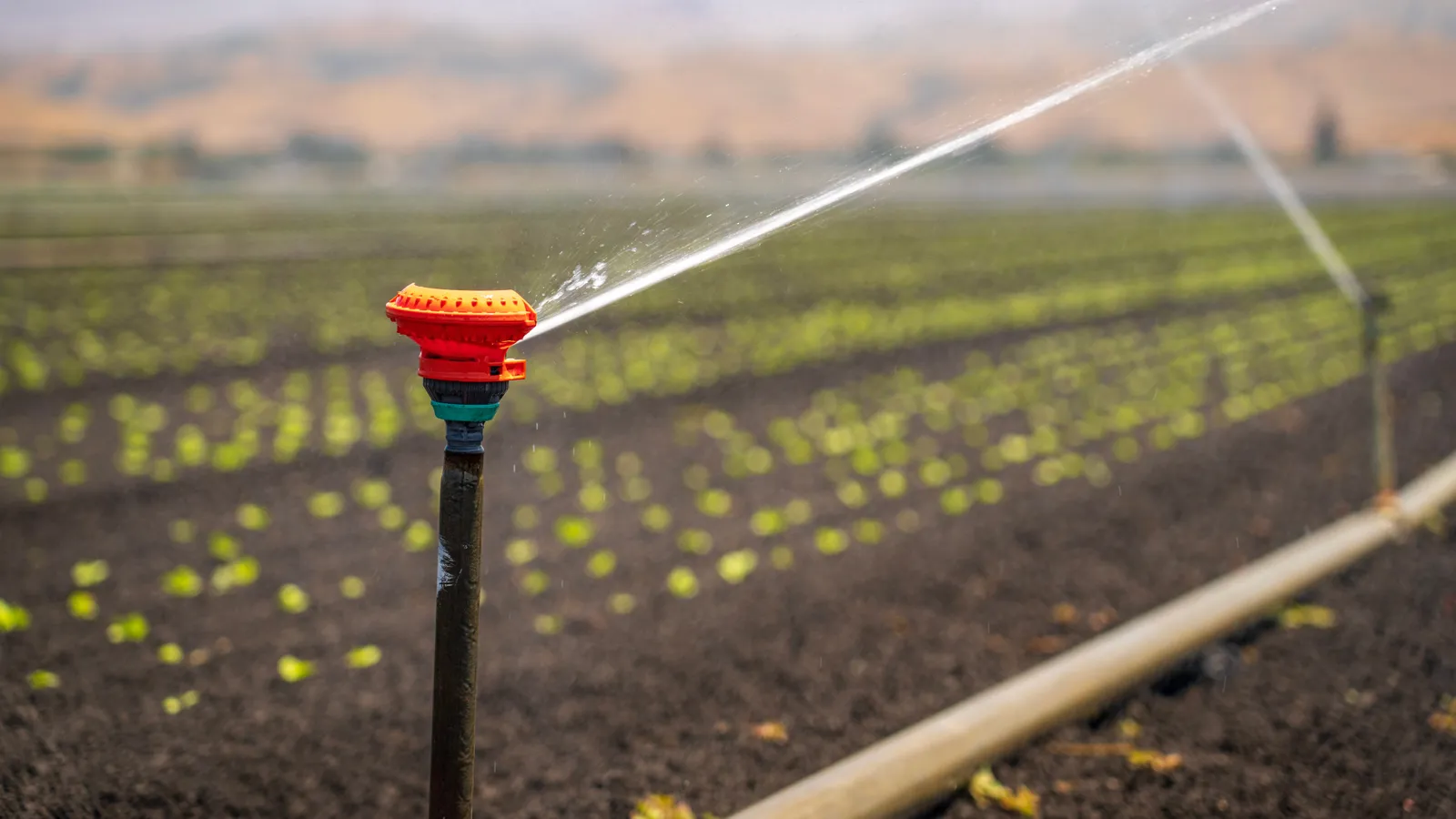
It forecasts weather and crop stage and schedules irrigation windows hours ahead instead of chasing moisture thresholds after the fact.
Vision
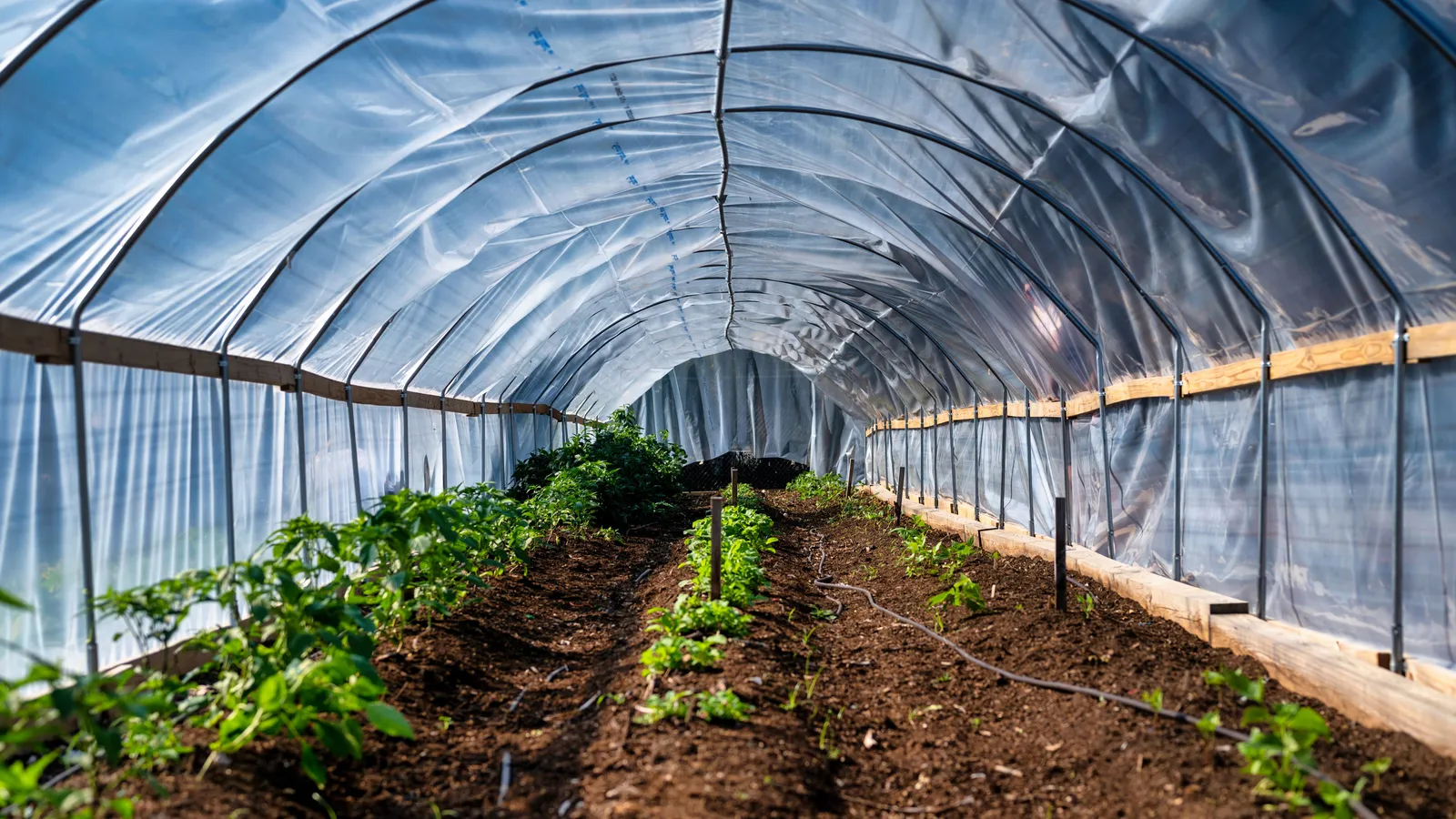
On device cameras with computer vision spot wilting, drought stress and disease in real time, and the images never leave the greenhouse.
Explainable AI
A voice assistant answers why it held or opened irrigation in plain language, so growers can trust and audit every decision across every house and site.
What could the ranges mean here
Enter an annual water and irrigation cost and see the saving range independent studies report for sensor guided precision irrigation. The real figure gets measured in a pilot, never guessed.
Typical benchmark range
20-35%
Estimated annual saving
€24,000 - €42,000/ year
Range based on EPA WaterSense (at least 20% versus a conventional timer) and a peer reviewed MDPI Agriculture review (20 to 35%) for sensor guided precision irrigation. Strongly crop and method dependent, validated in a pilot, not promised.
Your data never leaves the greenhouse
The agent runs entirely on the operator's own hardware. No cloud, no data leaving the building, and it keeps optimizing even when the internet drops. Every action is logged and auditable, which matters when the operation answers to owners and regulators.
- 100% local, no cloud dependency
- Keeps optimizing through internet outages
- Works with the existing irrigation controller and PLC
- Full audit trail of every decision
- Explainable, not a black box
- Local execution and signed images, CRA hardening on the roadmap
Questions greenhouse operators ask
Do we have to replace our irrigation controller?
No. The agent adds a decision layer on top of the existing irrigation controller, valves and sensors. It coordinates what is already installed toward water, fertilizer and yield goals, and full manual control stays with the team.
How is this different from a timer or a moisture threshold?
A timer waters by the clock and a threshold reacts after the soil is already dry. The agent looks ahead at weather and crop stage, waters the right zone on real demand, and balances water and fertilizer against yield and cost.
Does it run without internet?
Yes. Everything runs locally on your own hardware, so the agent keeps watering and dosing during outages and no plant or irrigation data ever leaves the greenhouse.
How much water can we actually save?
Independent studies report at least 20% versus a conventional timer and 20 to 35% for sensor guided precision irrigation, strongly crop and method dependent. We do not promise a fixed number. The real figure gets measured in a pilot.
Can it catch a leak or a stuck valve?
Yes. When water use climbs on a zone the agent flags the likely cause, a clogged dripper or a stuck valve, before it turns into a loss, and opens a maintenance task.
What about fertilizer?
The agent doses EC and pH to what the crop needs at each stage and recirculates drain instead of running it off, which cuts over application. We frame this as balanced dosing rather than a fixed percentage.
Built by a German engineering team, grown out of applied research at the Hahn-Schickard Institute in Villingen-Schwenningen. The edge agent runtime is open source under AGPL-3.0.
Put an irrigation expert in every greenhouse
Start a pilot on one zone, measure the real water and fertilizer per kilo on your crop, and keep the team in control the whole way.
Sources and notes
- 1Water: EPA WaterSense reports at least 20% versus a conventional timer, and a peer reviewed MDPI Agriculture review reports 20 to 35% for sensor guided precision irrigation. Strongly crop and method dependent, and validated in a pilot.
- 2Closed systems: FAO reports up to about 90% less water in closed or recirculating systems compared with open field. This is a property of the growing system, not of the agent.
- 3Fertilizer: balanced dosing reduces over application, so less nutrient runs to drain. We do not put a fixed percentage on it. The real figure gets measured in a pilot.